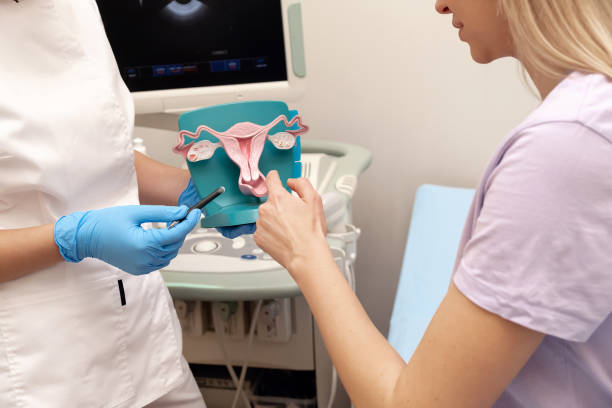
Endometriosis is a chronic condition where tissue similar to the uterine lining grows outside the uterus, leading to pain, inflammation, and other health complications. For individuals who do not respond adequately to medication or other treatments, surgical intervention often becomes necessary. The two primary surgical options are excision and ablation. While both approaches aim to alleviate symptoms and improve quality of life, they differ significantly in technique, effectiveness, and long-term outcomes.
What Is Excision Surgery?
Excision surgery involves the careful removal of endometriosis lesions from affected areas using precise cutting techniques. This method is widely considered the “gold standard” for endometriosis surgery due to its ability to thoroughly address both superficial and deep lesions.
- Comprehensive removal of diseased tissue.
- Effective for both mild and severe cases of endometriosis.
- Reduced likelihood of lesion recurrence compared to ablation.
- Improves fertility outcomes for individuals trying to conceive.
- Requires a highly skilled surgeon with expertise in excision techniques.
- May involve longer surgical times compared to ablation.
- Recovery time can vary depending on the extent of surgery.
What Is Ablation Surgery?
Ablation surgery uses energy sources such as laser or heat to burn or vaporize visible endometriosis lesions. This method is less technically demanding than excision and is frequently performed as an initial treatment option.
- Shorter operative time compared to excision.
- May be sufficient for treating superficial lesions.
- More widely available in general gynecological practices.
- Often leaves underlying diseased tissue intact, increasing the risk of recurrence.
- Less effective for deep infiltrating endometriosis (DIE).
- May not adequately address pain caused by residual microscopic lesions.
Comparing Excision vs. Ablation: Outcomes at a Glance
| Category | Excision | Ablation |
| Technique | Removes entire lesion | Burns surface only |
| Effectiveness for Severe Cases | High | Low |
| Recurrence Risk | Lower | Higher |
| Fertility Outcomes | Better | Limited |
| Surgeon Skill Requirement | High | Moderate |
Choosing the Right Option
- Severity and Extent of Disease: Advanced cases with deep infiltrating endometriosis are better treated with excision.
- Fertility Goals: Individuals seeking improved fertility outcomes may benefit more from excision surgery.
- Availability of Skilled Surgeons: Accessing an experienced excision specialist can be challenging in some regions but may provide better long-term results.
- Treatment History: For those who have undergone prior surgeries without symptom relief, excision might offer a more definitive solution.
Final Considerations
Understanding the differences between excision and ablation is crucial when navigating surgical options for endometriosis treatment. Patients are encouraged to seek consultations with experienced specialists who can tailor treatment approaches based on their unique needs and goals. Discussing concerns openly with your physician can help ensure you make informed decisions about your care pathway.
Understanding Endometriosis Surgery: Finding the Right Endometriosis Doctor Washington DC
For individuals living with endometriosis, surgery often becomes a vital part of treatment when other approaches like medication or lifestyle changes fail to provide adequate relief. Among the surgical options available, two main techniques are commonly used: excision and ablation. Understanding the differences between these methods is essential to making informed decisions about care.
What is Excision Surgery?
Excision surgery involves the precise removal of endometriosis lesions from affected tissues. Unlike other methods, excision cuts out the lesions entirely, ensuring that both visible and deeper-rooted areas of disease are addressed.
Key Features of Excision Surgery: – Thorough Lesion Removal: This technique targets endometrial-like tissue at its root, even in hard-to-reach areas such as on nerves or deep pelvic structures. – Reduced Risk of Recurrence: Since lesions are completely removed rather than superficially treated, recurrence rates tend to be lower compared to ablation. – Diagnostic and Therapeutic Benefits: Excision can confirm the presence of endometriosis via pathology testing while simultaneously treating it.
Despite its effectiveness, excision surgery requires advanced surgical skills and experience. It is typically performed by highly specialized surgeons who focus on endometriosis cases.
What is Ablation Surgery?
Ablation surgery works by destroying the surface layer of endometrial-like tissue using energy sources such as heat or lasers. While it may provide temporary symptom relief for some patients, it does not remove deep or infiltrative disease.
Key Features of Ablation Surgery: – Destruction Over Removal: Instead of cutting out lesions, ablation burns or vaporizes the surface tissue. – Shorter Procedure Time: Ablation surgeries are generally quicker to perform than excision surgeries. – Higher Recurrence Rates: Since deeper disease remains untreated, symptoms often return more quickly following this approach.
Ablation may be considered for mild cases or where resources for excision surgery are limited; however, experts increasingly advocate for excision as a gold standard for long-term management.
Comparing Excision and Ablation
| Feature | Excision | Ablation |
| Approach | Removes entire lesion | Destroys lesion surface |
| Effectiveness | High (addresses deep tissue involvement) | Moderate (limited to superficial tissue) |
| Recurrence Rate | Lower | Higher |
| Skill Required | Advanced training necessary | General gynecological training suffices |
Why Does the Choice Matter?
Choosing between excision and ablation has significant implications for symptom relief, quality of life, and long-term outcomes. Research suggests that patients who undergo excision report greater pain reduction and improved fertility outcomes compared to those treated with ablation. Moreover, mismanagement due to improper technique can lead to frustration, repeated surgeries, and prolonged suffering.
Advocacy for Accessing Proper Care
Accessing skilled surgeons trained in advanced excision techniques remains a challenge in many regions due to factors like limited specialist availability or lack of insurance coverage. Patients should feel empowered to: – Ask their doctor about their surgical experience with endometriosis cases. – Seek second opinions if recommended approaches seem insufficient. – Utilize patient advocacy groups that offer resources for finding qualified specialists.
By understanding these critical differences between excision and ablation surgery options, patients can make informed decisions that support optimal management of their condition.
Understanding Endometriosis Surgery: Insights from an Endometriosis Expert Washington DC
Surgical intervention is often a critical step in managing endometriosis, especially for individuals who experience significant symptoms or complications. Two primary surgical techniques are utilized to address endometriosis: excision and ablation. Understanding the differences between these procedures and their long-term impacts is essential when considering treatment options.
What Is Excision Surgery?
Excision surgery involves the complete removal of endometriotic lesions from affected tissues. Surgeons carefully cut out the lesions while preserving surrounding healthy tissue, making it a more precise approach. This technique is often considered the “gold standard” for surgical treatment due to its effectiveness in addressing both visible and microscopic endometriotic growths.
Key Features of Excision Surgery: – Thorough Removal: Removes deep and superficial lesions, reducing the risk of recurrence. – Preserves Healthy Tissue: Minimizes damage to nearby organs by removing only diseased tissue. – Improved Symptom Management: Studies suggest excision provides better long-term relief from pain compared to ablation.
| Advantages | Considerations |
| Long-term symptom relief | Requires highly skilled surgeons |
| Reduces recurrence rates | May take longer than ablation procedures |
| Can address severe cases | More expensive in some healthcare systems |
What Is Ablation Surgery?
Ablation surgery uses techniques such as heat, laser, or electrical energy to destroy (rather than remove) endometriotic lesions. While less invasive than excision surgery, ablation may leave behind deeper portions of lesions, which can continue to cause symptoms.
Key Features of Ablation Surgery: – Surface-Level Treatment: Only addresses visible areas on the surface of tissues. – Shorter Procedure Time: Typically quicker than excision. – Variable Results: Less effective for severe or deeply infiltrating endometriosis.
| Advantages | Considerations |
| Quicker recovery time | Higher risk of lesion recurrence |
| Often more affordable | May not address deeply infiltrative disease |
| Widely available | Less effective for long-term pain relief |
Why Choice Matters
Choosing between excision and ablation is not merely about preference; it depends on several factors such as symptom severity, lesion location and depth, personal health goals, and the availability of skilled surgeons.
Factors influencing surgical choice include: 1. Disease Severity: Deeply infiltrative or widespread endometriosis may require excision for effective treatment. 2. Symptom Burden: Chronic pelvic pain or infertility often responds better to excision. 3. Surgeon Expertise: Not all surgeons are trained in advanced excision techniques. 4. Healthcare Access: Limited access to specialists can make excision less feasible in some regions.
Potential Barriers to Effective Treatment
Accessing high-quality surgical care for endometriosis can present challenges: – Lack of trained specialists proficient in advanced excision techniques. – Financial barriers due to higher costs associated with specialized care. – Delays in diagnosis leading to worsened disease requiring complex interventions.
Addressing these barriers requires systemic changes in healthcare access, education about endometriosis among providers, and advocacy for patients seeking effective treatments.
Ultimately, understanding your options for surgery—and working with a knowledgeable medical team—is critical for managing symptoms effectively and improving quality of life over time.
Understanding Endometriosis: Insights from a Leading Endometriosis Center Washington DC
Preparing for a doctor’s appointment when dealing with endometriosis can feel overwhelming. However, being well-informed and organized can help you make the most out of your visit. Here’s a comprehensive guide on what to know and how to prepare before meeting with your healthcare provider.
Understanding Your Symptoms
- Pain: Note where, when, and how often you experience pain (e.g., pelvic pain, back pain, pain during menstruation or intercourse).
- Menstrual Cycle: Keep a record of your cycle length, flow intensity, and any irregularities.
- Digestive Issues: Track symptoms such as bloating, constipation, diarrhea, or nausea that might correlate with your cycle.
- Energy Levels: Note periods of fatigue or difficulty functioning normally throughout the day.
You can use a symptom tracker app or maintain a physical journal for this purpose. This information will help your doctor pinpoint potential patterns and provide better recommendations.
Questions to Ask Your Doctor
- What diagnostic tests are available? Will I need imaging like an ultrasound or MRI?
- Are there non-surgical ways to manage my symptoms?
- What surgical options exist if I need intervention (e.g., excision vs. ablation)?
- What lifestyle changes may improve my symptoms?
- How do comorbid conditions like IBS (Irritable Bowel Syndrome) affect endometriosis management?
- Should I consider consulting with specialists such as pelvic floor therapists or dietitians?
Bringing Relevant Medical Records
- Past imaging results (e.g., ultrasounds or MRIs)
- Copies of surgical reports if you’ve undergone laparoscopy before
- A list of previous medications tried for symptom management
- Any documentation regarding hormone therapy outcomes
Having these records readily available can save time during the consultation process.
Advocating for Yourself During the Appointment
Unfortunately, many people face delays in receiving an accurate diagnosis due to misconceptions about endometriosis being “just bad periods.” If you feel dismissed by your doctor—or if they don’t seem familiar with updated treatment protocols—it’s important to advocate for yourself respectfully but firmly.
Key tips include:
– Communicating Clearly: Use specific examples from your symptom tracker instead of general statements like “I’m always in pain.”
– Setting Boundaries: If suggested treatments haven’t worked for you before (e.g., hormonal contraceptives), express this directly so alternative solutions can be explored. – Asking About Referrals: Don’t hesitate to request referral options if specialized care is needed.
Post-Appointment Action Plan
After meeting with your doctor: 1. Follow up promptly on recommended tests or referrals. 2. Review notes from the discussion so nothing is overlooked. 3. Seek support from local or online communities where others share their experiences navigating life with endometriosis.
By approaching appointments with preparation and confidence, patients living with endometriosis will be better equipped to navigate their health journey effectively while feeling empowered about their care decisions moving forward.

Understanding Washington Endometriosis: Symptoms, Impact, and What It Means for Your Body
Endometriosis is a chronic condition that occurs when the tissue similar to the lining of the uterus (endometrium) grows outside the uterus. This misplaced tissue can affect various areas of the body, causing both physical and emotional challenges. Understanding its symptoms and overall impact is essential for individuals navigating this condition.
Common Symptoms of Endometriosis
- Pelvic pain: Persistent or cyclical pain, often worse during menstruation.
- Painful periods (dysmenorrhea): Severe cramps that may begin before menstruation and extend beyond it.
- Pain during intercourse (dyspareunia): Discomfort or pain experienced during or after sexual activity.
- Chronic fatigue: Constant tiredness due to inflammation, hormonal changes, or disrupted sleep patterns associated with the condition.
- Infertility: Difficulty conceiving is a significant concern for many with endometriosis, as it may affect reproductive organs.
- Gastrointestinal issues: Bloating, nausea, diarrhea, or constipation are common when endometrial-like tissue affects the bowel.
It’s important to note that while some individuals experience severe symptoms, others may have minimal signs of the disease despite extensive tissue growth.
How Endometriosis Impacts Your Body
| System Affected | Potential Impact |
| Reproductive System | Scarring and adhesions on ovaries, fallopian tubes, and uterus may cause infertility. |
| Digestive System | Endometrial implants on bowels can result in pain during bowel movements and digestive distress. |
| Musculoskeletal System | Chronic pelvic floor dysfunction due to prolonged tension in response to persistent pain. |
| Immune System | Increased inflammatory responses may exacerbate symptoms like fatigue and discomfort. |
This systemic impact underscores why timely diagnosis and management are critical.
Emotional Toll of Endometriosis
- Anxiety about symptom unpredictability.
- Depression stemming from chronic discomfort or struggles with fertility.
- Social withdrawal due to difficulty participating in daily activities.
Developing a strong support system is crucial for managing these emotional burdens.
Managing Symptoms Holistically
- Medical Treatments: Hormonal therapy (e.g., birth control pills) or surgery (e.g., excision).
- Lifestyle Adjustments: Anti-inflammatory diets rich in whole foods and omega-3 fatty acids may help reduce inflammation.
- Support Networks: Joining patient advocacy groups can provide guidance during challenging times.
Understanding how endometriosis affects your body equips you with tools to advocate for better care and improve quality of life despite this complex condition’s challenges.
Resources and Support for Navigating Life with Endometriosis
Living with endometriosis can be a challenging experience that impacts both physical and emotional well-being. However, access to the right resources and support can make a significant difference in managing the condition effectively. Below is a guide to navigating available tools, support systems, and educational resources for those living with endometriosis.
Online Communities and Support Groups
- Endometriosis Foundation of America (EndoFound): Offers educational content, patient stories, and advocacy programs.
- Endo Support Groups on Social Media Platforms: Facebook groups such as “Nancy’s Nook” provide evidence-based information about treatment options like excision surgery.
- Reddit Forums: Subreddits like “r/Endometriosis” allow users to discuss symptoms, treatments, or daily life challenges anonymously.
Many of these communities also host live events or webinars that promote awareness and understanding.
Specialized Medical Resources
| Resource | Description |
| Nancy’s Nook Educational Group | A curated list of excision surgeons worldwide who specialize in treating endometriosis. |
| Center for Endometriosis Care (CEC) | Offers comprehensive treatment plans focused on excision surgery by skilled practitioners. |
| iCareBetter | Connects patients with vetted specialists using advanced medical criteria for surgeon quality. |
These organizations also provide educational materials to help patients better understand their condition.
Mental Health Support
- Therapists Specializing in Chronic Illness Care: Look for professionals experienced in supporting individuals managing pain or medical trauma.
- Mindfulness Apps: Tools such as Calm or Headspace offer guided meditations tailored toward pain relief and stress reduction.
- Pain Management Programs: Cognitive Behavioral Therapy (CBT) techniques are often employed to improve resilience when dealing with chronic symptoms.
Seeking peer mentorship or professional counseling can help reduce feelings of isolation.
Educational Tools About Endometriosis
- The Doctor Will See You Now by Tamer Seckin, MD – A detailed breakdown of endometriosis treatment options from a renowned specialist.
- Endo What? by Melissa Turner – Features practical advice on managing daily life with endometriosis.
- Mayo Clinic’s Endometriosis Section: Provides medically reviewed articles describing symptoms, diagnostics, and treatments.
- EndoWhat.org: Focuses on raising awareness through patient-friendly content.
- This EndoLife: Hosted by Jessica Duffin; covers lifestyle management tips based on evidence-based practices.
- The Cycle Podcast: Shares personal stories from people living with endometriosis globally.
Advocacy Organizations
- The Endometriosis Association
- Worldwide EndoMarch
- The Pelvic Pain Society
These groups support fundraising efforts for research initiatives while promoting public education campaigns aimed at early diagnosis.
Accessing these resources can significantly improve the quality of life for individuals facing endometriosis by offering knowledge, community connections, and paths toward specialized care tailored to their unique needs.
Finding the Right Endometriosis Specialist in Washington DC for Birth Control and Symptom Management
Managing endometriosis symptoms often requires a multifaceted approach, and hormonal birth control is one of the most commonly used strategies. By regulating hormones, birth control can alleviate many of the debilitating symptoms associated with endometriosis, such as pain and heavy menstrual bleeding. Below, we provide an in-depth guide to the various birth control options available for managing endometriosis symptoms.
Hormonal Birth Control Methods
1. Combination Oral Contraceptive Pills (COCs)
- How they work: These pills contain both estrogen and progestin, which reduce the growth of endometrial tissue by suppressing ovulation.
- Benefits:
- Reduces pelvic pain associated with periods.
- Decreases heavy menstrual bleeding.
- May help regulate irregular cycles.
- Potential Side Effects: Nausea, headaches, mood changes, and an increased risk of blood clots for some individuals.
2. Progestin-Only Pills (POPs)
- How they work: These pills rely solely on progestin to thin the uterine lining and slow tissue growth outside the uterus.
- Benefits: Suitable for those who cannot take estrogen-containing contraceptives due to medical conditions or side effects.
- Potential Side Effects: Spotting between periods or irregular bleeding patterns.
3. Intrauterine Devices (IUDs) with Progestin
- Examples: Mirena, Kyleena.
- How they work: These devices release a small amount of progestin locally into the uterus over several years, reducing inflammation and minimizing period flow.
- Benefits:
- Long-term symptom relief (effective for up to 5-7 years).
- Decreases frequency of menstruation or stops it altogether in some cases.
- Minimal systemic hormone exposure compared to other methods.
- Drawbacks: Some individuals experience spotting or cramping after insertion.
4. The Birth Control Shot (Depo-Provera)
- How it works: This injection delivers a high dose of progestin every three months to suppress ovulation and decrease endometrial tissue growth.
- Pros:
- Effective in reducing severe pain related to endometriosis.
- Convenient dosing schedule every three months.
- Cons:
- May cause weight gain or bone density loss with prolonged use.
5. Birth Control Implants (Nexplanon)
- A small rod implanted under the skin that releases progestin over three years.
- Highly effective at managing pain and irregular bleeding caused by endometriosis.
Non-Hormonal Considerations
While hormonal methods are effective at managing symptoms for many individuals with endometriosis, they may not be suitable for everyone due to medical contraindications or personal preferences. Non-hormonal options like barrier methods do not address underlying symptoms but can complement other treatment plans.
Comparing Birth Control Options
| Method | Duration | Hormones Included | Typical Benefits | Common Side Effects |
| Combination Oral Contraceptive Pills | Daily | Estrogen + Progestin | Pain reduction; cycle regulation | Headaches; nausea; clot risks |
| Progestin-Only Pill | Daily | Progestin | Lightened periods | Irregular spotting |
| IUD with Progestin | 5-7 Years | Progestin | Long-lasting relief; low maintenance | Cramping after insertion |
| Depo-Provera Shot | Every 3 Months | Progestin | Reduces severe pelvic pain | Weight gain; bone density loss |
| Nexplanon Implant | Up to 3 Years | Progestin | Low-maintenance option | Irregular bleeding |
Key Considerations When Choosing Birth Control
When selecting a birth control method for managing your endometriosis symptoms, consider discussing these factors with your healthcare provider: – The severity and type of your symptoms (e.g., chronic pain vs. heavy bleeding).
– Current health conditions that could affect hormone use (e.g., history of blood clots). – Lifestyle preferences—whether you prefer daily pills or long-term options like IUDs/implants.
By understanding how each method works and its benefits/limitations, you can make informed decisions about your care plan tailored specifically to your individual needs.
- Uncommon Symptoms of Washington Endometriosis and Their Impact on Overall Health
- Understanding Painful Sex With Endometriosis: Insights From an Endometriosis Expert Washington DC
- Understanding Surgical Options for Endometriosis With an Endometriosis Specialist in Washington DC
- Understanding Endometriosis: Insights from an Endometriosis Specialist in Washington DC
- Finding the Right Endometriosis Doctor in Washington DC: Causes, Symptoms, and Diagnosis
- Understanding Endometriosis Surgery in Washington DC: Excision vs. Ablation Options
- Comprehensive Guide to Endometriosis Surgery Washington DC: Diet Tips and Foods to Consider
- Finding the Right Endometriosis Doctor in Washington DC and Exploring How Diet Can Improve Symptoms
- Understanding Washington Endometriosis: Causes, Symptoms, and Its Impact on Your Life