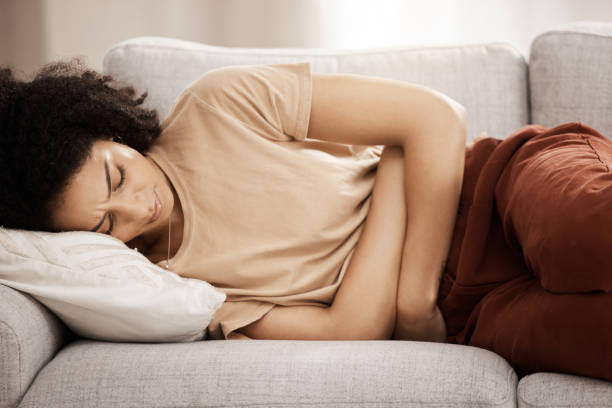
Despite its prevalence, endometriosis is often underdiagnosed or misdiagnosed due to overlapping symptoms with other conditions such as irritable bowel syndrome (IBS) or pelvic inflammatory disease (PID). Understanding this condition and its impact on women’s health is crucial to ensuring timely diagnosis and proper management.
Key Characteristics of Endometriosis
- Chronic Inflammation:The misplaced endometrial-like tissue responds to hormonal changes during menstrual cycles by thickening, breaking down, and bleeding. However, unlike normal uterine tissue that exits the body during menstruation, this blood becomes trapped, causing inflammation.
- Adhesions and Scarring:Over time, repeated episodes of inflammation can lead to scar tissue formation (adhesions), which may bind organs together and cause significant pain.
- Cyst Formation:Endometriomas—or ovarian cysts filled with dark menstrual blood—can develop due to trapped blood from affected tissues.
Symptoms That Impact Health
Endometriosis can significantly affect a woman’s physical well-being as well as her quality of life.
- Chronic Pelvic Pain:Pain may occur before or during menstruation or persist throughout the cycle.
- Pain During Intercourse:Many women experience significant discomfort or pain during sexual activity.
- Menstrual Irregularities:Heavy bleeding (menorrhagia) or irregular cycles are common.
- Gastrointestinal Issues:Symptoms such as bloating, diarrhea, constipation, or nausea are frequently reported.
- Fatigue:Chronic fatigue can result from both physical discomfort and systemic inflammation caused by endometriosis.
These symptoms not only cause physical distress but also interfere with daily activities such as work productivity and personal relationships.
Broader Impacts on Women’s Health
| Area | Potential Impact |
| Reproductive Health | Infertility affects up to 40% of individuals with endometriosis. |
| Mental Health | Depression and anxiety are common due to chronic pain and emotional stress. |
| Social Well-being | Missed workdays and limited social activities are common consequences. |
| Economic Burden | Expenses for repeated medical consultations, treatments, and surgeries add strain. |
Importance of Early Diagnosis
Delays in diagnosing endometriosis average between 7–10 years for many individuals due to a lack of awareness among patients and healthcare providers alike. Early detection is essential not only for symptom management but also for preventing further complications like infertility or severe organ damage.
Raising awareness about this condition through education can help reduce diagnostic delays while improving access to effective treatment options tailored to individual needs. Harnessing advancements in medicine alongside supportive therapies can empower women living with endometriosis to regain control over their health.
Understanding the Symptoms of Washington Endometriosis and Their Impact on Daily Life
Understanding these symptoms is essential for early detection and effective management.
Understanding Endometriosis Symptoms and Surgery Options in Washington DC
- Pelvic Pain: Persistent or severe pain in the pelvic region is one of the hallmark symptoms. The pain often worsens during menstruation but may also occur at other times.
- Painful Periods (Dysmenorrhea): Menstrual cramps caused by endometriosis are often more intense and prolonged than typical cramps.
- Pain During Intercourse (Dyspareunia): Many individuals with endometriosis experience discomfort or pain during or after sexual activity.
- Chronic Fatigue: Constant fatigue and low energy levels can result from both the physical toll of endometriosis and its impact on sleep quality due to discomfort.
- Digestive Issues: Bloating, diarrhea, constipation, and nausea are common when endometrial-like tissue affects organs near the digestive system.
- Heavy Menstrual Bleeding (Menorrhagia): Many people with endometriosis report abnormally heavy periods or spotting between cycles.
Finding an Endometriosis Doctor in Washington DC to Improve Quality of Life
The symptoms associated with endometriosis go beyond physical discomfort; they have far-reaching implications for mental health, work productivity, relationships, and overall well-being.
Physical Impacts:
- Chronic pain can lead to difficulty focusing on tasks or participating in daily activities.
- Fatigue can reduce energy levels needed for work, exercise, or social events.
Emotional Impacts:
Living with ongoing pain can contribute to anxiety and depression. The unpredictability of symptoms may lead to stress over planning ahead.
Social Impacts:
Pain during intimate moments may strain relationships. Frequent absences from work or social gatherings may lead to feelings of isolation.
Practical Tips from an Endometriosis Expert Washington DC for Managing Symptoms
- Medication: Over-the-counter pain relievers like ibuprofen can help alleviate mild discomfort. Prescription medications such as hormonal therapies may also be recommended by healthcare providers.
- Lifestyle Adjustments: Implementing stress management techniques like meditation or yoga can help reduce symptom severity.
- Dietary Changes: Some individuals find relief by avoiding inflammatory foods (e. g. , processed sugars) and incorporating anti-inflammatory options (e. g. , leafy greens).
- Support Networks: Joining support groups can provide emotional resources and practical advice from others who share similar experiences.
| Symptom | Potential Impact | Management Strategy |
| Pelvic Pain | Reduced mobility/functionality | Heat therapy; prescribed medications |
| Heavy Bleeding | Fatigue; anemia | Iron-rich diet; medical intervention |
| Emotional Stress | Anxiety; depression | Counseling; mindfulness-based practices |
Discover Natural Pain Relief at the Endometriosis Center Washington DC
While medical treatments like surgery or hormone therapy are often recommended, some individuals seek natural methods to help alleviate symptoms and improve their quality of life. The following are evidence-informed, natural ways to manage pain caused by endometriosis.
Dietary choices play a significant role in managing inflammation, which is often linked with endometriosis pain.
Foods to Include:
– Leafy greens (e. g.
– Fatty fish rich in omega-3s (e. g.
– Berries (blueberries, strawberries) for antioxidants
– Whole grains (quinoa, oats)
– Nuts and seeds like walnuts and flaxseeds
Foods to Avoid:
| Category | Examples | Why Avoid?
Applying heat is one of the most accessible methods for alleviating pelvic pain caused by endometriosis.
Methods:
– Heating Pads or Hot Water Bottles:Apply directly over the lower abdomen for 15–20 minutes at a time.Warm Baths:A soak in warm water with Epsom salts may help relieve tension and reduce inflammation.Infrared Heating Pads:These provide deeper penetration of heat for more comprehensive relief.
Examples of Herbs:
– TurmericGinger: May reduce menstrual cramps when consumed as tea or capsules.Chamomile: Known for its soothing properties; drinking chamomile tea may ease muscle tension.
Stress management is crucial when living with endometriosis because stress can exacerbate pain perception. MBSR techniques such as meditation or deep breathing exercises have been shown to reduce stress hormones like cortisol and improve overall well-being.
Practice suggestions:
1. Daily mindfulness meditation (e. g. , 10–20 minutes).
2. Yoga routines focusing on gentle stretches targeting the pelvic region. 3. Diaphragmatic breathing exercises during moments of acute pain.
Acupuncture involves inserting thin needles into specific points on the body and has been studied as a complementary treatment for pelvic pain associated with endometriosis. Research suggests it may help by promoting blood flow, reducing inflammation, and modulating nerve signals related to pain perception.
Benefits include:
– Reduced severity of cramps
– Improved mood due to endorphin release
– Enhanced relaxation response
Key Takeaways
While these natural approaches cannot cure endometriosis, they can help mitigate some aspects of chronic pain associated with the condition when integrated into a broader treatment plan discussed with healthcare providers. Combining dietary changes, stress reduction techniques, herbal remedies, heat therapy methods, or complementary therapies like acupuncture offers holistic support that empowers women dealing with this complex condition.

Heat Therapy and Other Effective Methods for Managing Endometriosis Pain
Managing endometriosis pain is a critical aspect of improving the quality of life for those affected by this condition. Among the varied methods available, heat therapy stands out as a simple yet effective way to alleviate discomfort. Below, we delve into how heat therapy works and explore additional methods that can help manage endometriosis-related pain.
Heat Therapy: How It Works and Its Benefits
Heat therapy involves using warmth to relax the muscles in the pelvic area and improve blood flow. For individuals with endometriosis, this can help reduce cramping and chronic pelvic pain caused by inflammation and tissue buildup.
- Muscle relaxation: Heat helps reduce tension in abdominal muscles, easing cramping.
- Improved blood circulation: Increased blood flow aids in reducing localized inflammation.
- Non-invasive pain relief: It provides immediate comfort without medication side effects.
Common tools for applying heat include:
| Method | Description | Duration | |—————————-|————————————————|——————–| | Heating Pads | Reusable or electric pads placed on the abdomen or lower back. | 15–20 minutes at a time | | Warm Baths | Immersing the body in warm water to relax muscles. | 20–30 minutes | | Hot Water Bottles | A cost-effective solution that maintains warmth for extended periods.
When using heat therapy, it is important to keep temperatures comfortable to avoid skin burns.
Alternative Methods for Managing Endometriosis Pain
While heat therapy is widely favored, incorporating other strategies may enhance overall pain management.
1. Over-the-Counter (OTC) Pain Relievers
Nonsteroidal anti-inflammatory drugs (NSAIDs), such as ibuprofen or naproxen, can reduce inflammation and provide temporary relief from moderate cramps.
2. Physical Activity
Low-impact exercises such as yoga or walking may help release endorphins, which act as natural painkillers while improving blood circulation.
3. Acupuncture
4. TENS (Transcutaneous Electrical Nerve Stimulation)
A TENS device delivers gentle electrical pulses through electrodes attached to the skin, helping block pain signals from reaching the brain.
5. Mindfulness-Based Stress Reduction (MBSR)
Chronic pelvic pain is often exacerbated by stress; mindfulness techniques like meditation or deep breathing can promote relaxation and mitigate discomfort.
Combining Therapies for Enhanced Relief
For optimal results, many individuals find that a combination of treatments works best in managing their symptoms. For example: – Pairing heat therapy with OTC medications during flare-ups. – Incorporating regular physical activity alongside mindfulness practices. – Using TENS devices in conjunction with acupuncture sessions for targeted relief.
It’s also advisable to maintain an open dialogue with healthcare providers when exploring these methods to ensure they align with individual medical needs and circumstances.
By integrating various approaches tailored to personal preferences and severity of symptoms, managing endometriosis pain becomes more achievable over time without solely relying on invasive interventions or pharmaceuticals alone.
Exploring Lifestyle and Dietary Changes to Help Manage Endometriosis Symptoms
Lifestyle and dietary changes can play a crucial role in managing the symptoms of endometriosis. While they may not cure the condition, adopting certain habits and making adjustments to your diet can help reduce inflammation, alleviate pain, and improve overall quality of life. Here’s a closer look at how these changes can benefit those with endometriosis.
Anti-Inflammatory Diet for Endometriosis
Chronic inflammation is believed to contribute to the severity of endometriosis symptoms. Therefore, following an anti-inflammatory diet can help manage the condition more effectively.
- Fruits and Vegetables: Opt for a variety of colorful produce such as leafy greens, berries, broccoli, and oranges. These are rich in antioxidants and nutrients that combat inflammation.
- Healthy Fats: Include sources of omega-3 fatty acids like salmon, mackerel, walnuts, chia seeds, and flaxseeds in your diet. Omega-3s have been shown to reduce inflammatory markers in the body.
- Whole Grains: Choose whole grains like quinoa, brown rice, oats, and whole-wheat products over refined grains as they provide fiber that supports gut health.
- Plant-Based Proteins: Incorporate beans, lentils, tofu, or tempeh into your meals to reduce reliance on inflammatory animal proteins.
Foods to Avoid
Certain foods could exacerbate symptoms due to their pro-inflammatory nature or hormonal effects.
| Food Type | Reason for Avoidance |
| Processed Foods | High levels of additives and trans fats contribute to inflammation. |
| Red Meat | Contains arachidonic acid which may promote inflammation in some individuals. |
| Dairy Products | Some women report worsening symptoms with high dairy consumption due to hormone content. |
| Caffeine & Alcohol | These can interfere with hormone balance and increase systemic inflammation. |
Stress Management as a Lifestyle Change
Chronic stress has been linked to increased pain perception in individuals with endometriosis.
- Practice mindfulness techniques such as yoga or meditation.
- Schedule regular physical activity like walking or swimming which promotes circulation while reducing stress levels.
- Engage in hobbies that bring joy or relaxation.
Benefits of Adequate Sleep
- Aim for 7–9 hours of sleep per night.
- Establish a consistent bedtime routine by going to bed at the same time each night.
- Avoid screen time before sleep; instead opt for calming activities like reading or deep breathing exercises.
Staying Hydrated
Proper hydration supports overall health by aiding digestion, reducing bloating associated with endometriosis flare-ups, and maintaining energy levels throughout the day.
Practical Tips for Implementation
- Begin meal prepping healthy options ahead of time so you’re less likely to rely on processed or fast foods during busy days.
- Keep a food diary to track any connections between specific foods and symptom flares.
- Gradually introduce lifestyle changes instead of overwhelming yourself all at once.
Small but consistent adjustments tailored specifically around your needs can have meaningful benefits when it comes managing endometriosis symptoms effectively over time.
How Endometriosis Affects Fertility and What You Should Know
Understanding this connection is essential for making informed decisions about reproductive health.
The Link Between Endometriosis and Infertility
- Inflammation:Chronic inflammation caused by endometrial lesions may interfere with ovulation, fertilization, or implantation.
- Hormonal Imbalances:Endometriosis influences hormonal regulation, potentially disrupting ovulation cycles.
Prevalence of Infertility Among People with Endometriosis
Studies suggest that approximately 30-50% of individuals with endometriosis experience difficulties conceiving.
| Stage of Endometriosis | Likelihood of Fertility Challenges |
| Minimal (Stage 1) | Lower risk |
| Mild (Stage 2) | Moderate risk |
| Moderate (Stage 3) | Higher risk |
| Severe (Stage 4) | Significant challenges likely |
Diagnosis and Treatment Options for Infertility Due to Endometriosis
- Laparoscopy remains the gold standard for diagnosing endometriosis and assessing its impact on reproductive organs.
- Imaging techniques like ultrasound may help detect ovarian cysts known as endometriomas.
- Medications:Hormonal therapies such as GnRH agonists or oral contraceptives might reduce inflammation but are not suitable during efforts to conceive.
- Surgical Intervention:Laparoscopic surgery can remove lesions or scar tissue, improving chances of conception in some cases.
- Assisted Reproductive Technology (ART):Procedures like in vitro fertilization (IVF) are often recommended when other treatments are unsuccessful.
Tips for Improving Fertility Despite Endometriosis
- Maintain a balanced diet rich in anti-inflammatory foods such as leafy greens, berries, fatty fish (like salmon), nuts, seeds, and whole grains.
- Engage in regular exercise tailored to your comfort level; yoga or low-impact activities may reduce stress levels associated with chronic illness.
- Consider complementary therapies like acupuncture or stress management techniques that could improve overall well-being during conception efforts.
Seeking Support
Facing infertility due to endometriosis can be emotionally taxing. Joining a support group or seeking counseling may help navigate feelings of frustration while exploring treatment options. Working closely with a reproductive endocrinologist who specializes in managing infertility related to conditions like endometriosis ensures personalized care tailored toward achieving desired outcomes.
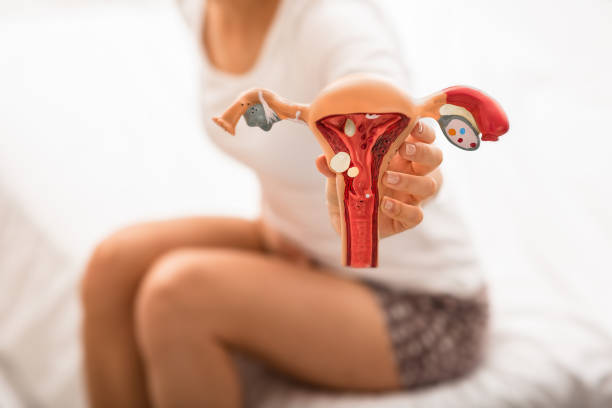
Combining Treatments for Better Management of Endometriosis Symptoms
Since each individual’s experience with endometriosis varies, combining treatments can often provide more effective relief and improve overall quality of life. By integrating medical interventions with lifestyle changes, alternative therapies, and emotional support, many women find greater success in managing this complex condition.
Medical Treatments for Symptom Control
Medical approaches are often the cornerstone of endometriosis management. These treatments primarily aim to reduce pain and slow the progression of tissue growth.
- Birth control pills (combined pills or progestin-only options)
- GnRH agonists and antagonists (e. g.
- Progestin-based intrauterine devices (IUDs), such as Mirena
- Nonsteroidal anti-inflammatory drugs (NSAIDs) like ibuprofen or naproxen
- Prescription medications for severe pain management
Surgical Options
In more severe cases, surgery may be recommended to remove endometrial adhesions or scar tissue.
- Laparoscopic Surgery: Minimally invasive procedure to excise or cauterize lesions while preserving reproductive organs.
While surgery can provide significant relief, recurrence is possible, emphasizing the importance of combining surgical treatment with other therapies for long-term results.
The Role of Lifestyle Adjustments
Lifestyle changes can complement traditional medical interventions by addressing some contributing factors associated with endometriosis symptoms.
- Emphasize anti-inflammatory foods such as leafy greens, fatty fish (e. g. , salmon), nuts, and seeds.
- Limit processed foods, red meat, and dairy products that may exacerbate inflammation.
- Consider gluten-free or low-FODMAP diets if digestive issues are present.
- Engage in low-impact aerobic exercises like walking or swimming.
- Incorporate gentle stretching routines such as yoga to reduce pelvic tension.
- Practice mindfulness techniques including meditation or deep-breathing exercises.
- Explore acupuncture or massage therapy to alleviate stress-induced muscle tension.
Complementary Therapies
Integrative approaches provide additional tools for managing persistent symptoms.
- Heat Therapy: Application of heating pads or warm baths improves blood flow and relieves muscle cramps.
- Herbal Supplements: | Herb Name | Potential Benefits | |——————|———————————–| | Turmeric | Anti-inflammatory properties | | Ginger | Pain reduction | | Evening Primrose | Hormonal balance support |
Always consult a healthcare professional before starting any supplements to avoid potential interactions with medications.
Psychological Support
Living with endometriosis can take an emotional toll. Seeking psychological support is vital in addressing anxiety, depression, or isolation that may arise due to chronic pain and health challenges.
- Join local or online support groups to share experiences with others who understand.
- Work with a therapist specializing in chronic illness for strategies on coping mechanisms.
Combining Therapies for Optimal Results
No single treatment works universally for everyone diagnosed with endometriosis. Instead, combining multiple modalities—medical options alongside holistic practices—creates a tailored strategy that aligns best with individual needs. Staying proactive through regular follow-ups and monitoring symptom patterns allows patients and healthcare providers to refine the approach over time for better outcomes.
Top Tips for Using Castor Oil Packs as a Supportive Therapy for Endometriosis
Castor oil packs have gained popularity as a natural and supportive therapy for managing endometriosis symptoms. While they do not cure the condition, they may help alleviate discomfort, improve circulation, and support the body’s natural detoxification processes. Below are insights and tips on how to effectively use castor oil packs to manage endometriosis symptoms.
What Are Castor Oil Packs?
Castor oil packs involve applying castor oil to the skin, usually over the lower abdomen or pelvic region, and covering it with a cloth. Heat is then applied to enhance absorption and improve its therapeutic effects. Castor oil contains ricinoleic acid, which is believed to provide anti-inflammatory and pain-relieving benefits.
Benefits of Using Castor Oil Packs for Endometriosis
- Reduced Pelvic Pain: The anti-inflammatory properties of castor oil may help reduce pain associated with inflammation in the pelvic area.
- Improved Lymphatic Drainage: Castor oil packs can promote circulation and support lymphatic system function, aiding in the removal of toxins from tissues.
- Relaxation of Muscles: The application of warmth encourages muscle relaxation, which can help ease cramping commonly experienced during flare-ups.
- Support for Digestive Health: By applying the pack near the digestive tract, some women report improved digestion and reduced bloating—a symptom that often accompanies endometriosis.
How to Use Castor Oil Packs Step-by-Step
- Cold-pressed castor oil
- A clean piece of flannel or cotton cloth
- Plastic wrap or a large reusable plastic bag
- A heating pad or hot water bottle
- An old towel (to protect surfaces)
- Fold your cloth so it fits snugly over your lower abdomen.
- Saturate the cloth with castor oil until it is damp but not dripping.
- Place the dampened cloth directly on your skin over your lower abdominal area.
- Cover it with plastic wrap to prevent leakage.
- Place a heating pad or hot water bottle on top of the plastic wrap.
- Lie down in a comfortable position while leaving the pack in place for 30–60 minutes.
- Use this time for relaxation techniques such as deep breathing or meditation.
- Take off the pack and wipe away any excess oil using warm water or mild soap if needed.
- Store your fabric (if reusable) in a sealed container in between uses.
- For best results, use 2–3 times per week or as suggested by your healthcare provider.
Precautions When Using Castor Oil Packs
- Avoid using during menstruation unless advised by a healthcare provider; heat may exacerbate bleeding in some cases.
- Do not apply to broken skin or wounds.
- Pregnant women should consult their doctor before using this method due to potential risks associated with abdominal stimulation.
- Always test on a small patch of skin first to ensure there are no allergic reactions.
When Should You Seek Medical Advice?
Although castor oil packs can be helpful as part of an overall management plan for endometriosis symptoms, they should not replace conventional treatments prescribed by medical professionals. If you experience worsening symptoms such as severe pain, heavy menstrual bleeding, or signs of infection (e. g. , fever), seek medical guidance promptly.
By incorporating supportive therapies like castor oil packs alongside other treatments—such as diet modifications, heat therapy, or medications—you can take proactive steps toward better symptom management while improving overall well-being.
- Uncommon Symptoms of Washington Endometriosis and Their Impact on Overall Health
- Understanding Painful Sex With Endometriosis: Insights From an Endometriosis Expert Washington DC
- Understanding Surgical Options for Endometriosis With an Endometriosis Specialist in Washington DC
- Understanding Endometriosis: Insights from an Endometriosis Specialist in Washington DC
- Finding the Right Endometriosis Doctor in Washington DC: Causes, Symptoms, and Diagnosis
- Understanding Endometriosis Surgery in Washington DC: Excision vs. Ablation Options
- Comprehensive Guide to Endometriosis Surgery Washington DC: Diet Tips and Foods to Consider
- Finding the Right Endometriosis Doctor in Washington DC and Exploring How Diet Can Improve Symptoms
- Understanding Washington Endometriosis: Causes, Symptoms, and Its Impact on Your Life