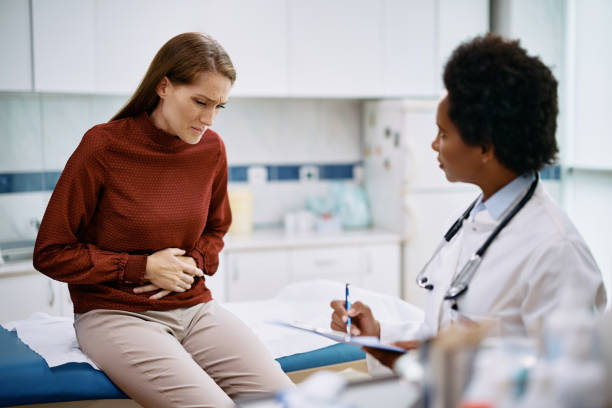
Doctor palpating woman's abdomen, using hands and steady pressure. ER doctor palpating woman's abdomen, using hands and steady pressure. Endometriosis stock pictures, royalty-free photos & images

Endometriosis is a chronic condition that affects approximately 10% of women of reproductive age globally. While its hallmark symptom is pain, the experience varies significantly between individuals, often making it challenging to diagnose and manage. Women describe their experiences with endometriosis in diverse ways, shedding light on how it impacts physical, emotional, and social aspects of life.

Physical Symptoms as Described by Women

The physical symptoms of endometriosis often revolve around pain, but the type and intensity can differ widely. Many women report that the condition feels like:
Severe cramping: Often described as menstrual cramps multiplied in intensity. Some women compare it to labor pains or sharp stabbing sensations in the lower abdomen.
Pelvic pressure: A constant or intermittent feeling of heaviness or tightness in the pelvic region.
Radiating pain: Pain that extends beyond the pelvis into areas like the lower back, thighs, or rectum.

In addition to pain, other common symptoms include:
– Chronic fatigue
– Heavy or irregular menstrual bleeding
– Bloating (sometimes referred to as “endo belly”)

Emotional Toll of Living with Endometriosis

Chronic pain and unpredictability significantly impact mental health:
1. Anxiety and Stress: Flares can occur without warning, leading to stress about attending events or fulfilling obligations.
2. Depression: The persistent nature of the condition can result in feelings of hopelessness over time, particularly if treatments are ineffective.

Women often express frustration over being dismissed by healthcare providers early in their journey, which exacerbates feelings of isolation.

Everyday Life Challenges

Living with endometriosis can dramatically affect daily routines:
Workplace Impact: Missed workdays due to debilitating symptoms are common, sometimes jeopardizing job security or career progression.
Social Life Limitations: Social gatherings requiring prolonged sitting, standing, or energy may feel impossible during symptomatic periods. – Relationships Strain: Intimacy challenges (such as painful intercourse) can create strain within romantic relationships while explaining symptoms may also cause misunderstandings among friends and family members.

Aspect Challenges Mentioned by Women
Work Difficulty maintaining productivity; frequent sick days
Social Activities Fear of flare-ups; inability to commit fully
Romantic Life Painful intimacy; feelings of inadequacy

Insights From Those Living With Endometriosis

Women living with this condition highlight several strategies that help them cope:
1. Prioritizing self-care during flare-ups without guilt. 2. Building a supportive network including friends who understand their experience. 3. Advocating for themselves during medical appointments when they feel dismissed.

By understanding these lived experiences more deeply—both physically and emotionally—it becomes possible for others (family members, friends, healthcare providers) to offer better support for those impacted by endometriosis.

6 Tips for Managing Endometriosis Before and After Endometriosis Surgery Washington DC

Endometriosis can significantly impact a person’s quality of life, but certain strategies involving diet, lifestyle adjustments, and holistic approaches may help manage its symptoms. Below are six practical tips that may support individuals dealing with endometriosis.

1. Focus on an Anti-Inflammatory Diet

Chronic inflammation is a key factor in endometriosis. Adopting an anti-inflammatory diet can help reduce inflammation levels in the body. Consider incorporating the following foods:
Fruits and vegetables: Leafy greens, berries, broccoli, and carrots are rich in antioxidants and vitamins.
Whole grains: Brown rice, quinoa, oats, and whole wheat provide fiber and essential nutrients.
Healthy fats: Avocados, olive oil, nuts, seeds, and fatty fish like salmon are beneficial for their omega-3 fatty acids.
Herbs and spices: Turmeric (curcumin), ginger, cinnamon, and garlic have natural anti-inflammatory properties.

Avoid processed foods as well as high-sugar or high-fat products that may exacerbate inflammation.

2. Limit Foods That Trigger Hormonal Imbalances

Certain foods can contribute to hormonal fluctuations that worsen endometriosis symptoms by increasing estrogen levels. Aim to reduce or eliminate:
– Red meat or processed meats (linked to higher estrogen levels).
– Caffeine intake (may exacerbate hormonal imbalances).
– Alcohol consumption (can strain the liver’s ability to process estrogen efficiently).

A plant-forward diet focusing on balance may aid hormonal health.

3. Exercise Regularly for Pain Management

Gentle physical activity has been shown to help improve pain tolerance in those with endometriosis by releasing endorphins—the body’s natural painkillers—and reducing overall stress levels. Some recommended exercises include: – Low-impact cardio options like walking or cycling. – Yoga or Pilates for flexibility and core strength. – Swimming for a full-body workout that minimizes joint strain.

Aim for at least 30 minutes of moderate physical activity most days of the week.

4. Explore Stress Reduction Techniques

Stress can exacerbate many chronic conditions—including endometriosis—by increasing cortisol levels and contributing to inflammation over time. Effective stress management techniques include: – Meditation or mindfulness practices. – Deep breathing exercises such as diaphragmatic breathing. – Journaling thoughts or emotions regularly.

Stress relief should be personalized; find something sustainable that resonates with you.

5. Use Heat Therapy for Immediate Symptom Relief

While not a long-term solution, heat therapy is an effective way to alleviate pain caused by endometrial cramps or pelvic discomfort temporarily: Options include: 1. A heating pad placed over the abdomen. 2. Warm baths infused with Epsom salts which relax tense muscles. 3. Wearable heat wraps/packs designed specifically around pelvic pain scenarios

Consistent immediate /temp relief small breaks from constant shots-mood improvement .

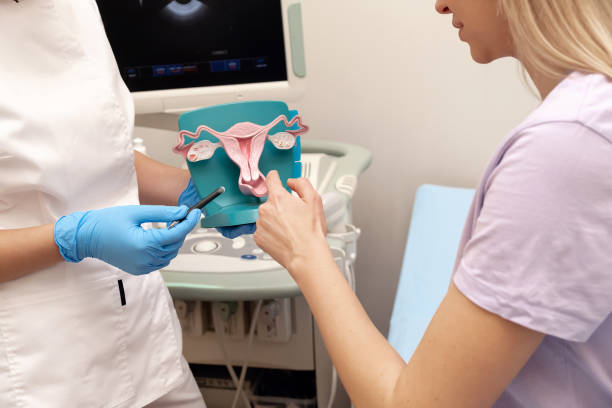
Doctor explaining changes in ovaries to patient on artificial model of uterus and showing ultrasound picture Doctor explaining changes in ovaries to patient on artificial model of uterus and showing ultrasound picture concept Endometriosis stock pictures, royalty-free photos & images

6 Tips from an Endometriosis Doctor Washington DC for Managing Symptoms with Diet and Lifestyle Changes

Endometriosis can be a challenging condition to navigate, but incorporating certain dietary adjustments, lifestyle changes, and holistic approaches may help manage symptoms and improve overall well-being. Below are six practical tips to manage endometriosis effectively.

1. Prioritize an Anti-Inflammatory Diet

Chronic inflammation is often associated with endometriosis. Choosing foods that reduce inflammation can potentially ease symptoms.

  • Leafy greens (spinach, kale)
  • Fatty fish (salmon, mackerel)
  • Nuts and seeds (walnuts, flaxseeds)
  • Fresh fruits (berries, oranges)
  • Processed foods high in saturated fats
  • Refined sugars
  • Red meat
  • Dairy products (for individuals sensitive to them)

A Mediterranean-style diet rich in whole grains, healthy fats, and plant-based proteins is particularly beneficial.

2. Manage Stress Through Mindfulness Practices

Stress does not cause endometriosis directly but can exacerbate symptoms such as pain and fatigue. Incorporating mindfulness practices into daily life may help reduce overall stress levels.

  • Yoga or gentle stretching
  • Meditation or deep-breathing exercises
  • Journaling for mental clarity

Mind-body techniques can also help you cope with the emotional toll of chronic illness.

3. Incorporate Regular Low-Impact Exercise

Regular physical activity may help improve circulation and reduce inflammation while boosting mood through the release of endorphins.

  • Walking or light jogging
  • Swimming
  • Pilates or yoga

Avoid high-impact workouts if they trigger pelvic pain or discomfort.

4. Explore Holistic Therapies for Pain Management

Holistic therapies may serve as complementary approaches to managing pain caused by endometriosis. While these methods should not replace medical treatment, they can work alongside it.

  • Acupuncture: May reduce pain by targeting specific pressure points.
  • Herbal medicine: Certain herbs like turmeric or ginger may have anti-inflammatory properties.
  • Massage therapy: Focuses on releasing pelvic tension and improving blood flow.

It’s important to discuss any alternative treatments with a healthcare provider before starting them.

5. Maintain Balanced Hormones Through Nutritional Support

Endometriosis is influenced by hormonal imbalances, particularly excess estrogen levels. Supporting hormonal balance through nutrition can play a key role in symptom management.

Nutrient Benefits Sources
Omega-3 fatty acids Reduces inflammation Fatty fish (salmon), chia seeds
Fiber Supports estrogen metabolism Whole grains, vegetables
Magnesium Relaxes muscles and alleviates cramps Spinach, almonds

Avoid environmental toxins that mimic estrogen by minimizing exposure to plastics containing BPA or choosing organic produce when possible.

6. Track Symptoms to Identify Triggers

Keeping a symptom journal can help you identify patterns between your lifestyle choices and symptom severity.

What to Track: – Foods consumed – Pain levels throughout the day – Menstrual cycle details (length, intensity) – Stress levels or external factors affecting mood

By identifying correlations over time between specific habits and flare-ups, you’ll be better equipped to tailor your approach effectively.

Taking small steps toward managing endometriosis through diet changes, lifestyle improvements, and holistic practices empowers individuals living with the condition while addressing both physical symptoms and emotional well-being gradually over time.

Pain during sex, medically known as dyspareunia, is a common symptom experienced by individuals with endometriosis. This pain can range from mild discomfort to severe distress, significantly impacting emotional well-being, relationships, and quality of life. Understanding the connection between endometriosis and painful sex is the first step toward addressing this issue.

What Causes Painful Sex in Endometriosis?

  • Pelvic Inflammation: Chronic inflammation from endometrial-like tissue can make pelvic muscles tender and sensitive.
  • Adhesions and Scarring: These may restrict movement or cause tissues to stick together, leading to sharp or pulling sensations during penetration or deep thrusts.
  • Nerve Sensitization: The condition can heighten nerve sensitivity in the pelvic area, amplifying pain signals during sexual activity.
  • Hormonal Changes: Hormonal fluctuations may exacerbate symptoms around ovulation or menstruation.

Ways to Address Discomfort During Sex

  1. Communicate with Your Partner
    Open communication about your symptoms and needs is essential. Share how you’re feeling physically and emotionally so adjustments can be made together.
  2. Try Different Positions
    Some sexual positions put less pressure on sensitive areas of the pelvis:
  3. Positions that allow you more control over depth (e.g., being on top) might reduce discomfort.
  4. Side-by-side positions (e.g., spooning) may also minimize deep penetration.
  5. Use Lubrication
    Vaginal dryness can exacerbate pain. Opt for a high-quality water- or silicone-based lubricant to reduce friction during intercourse.
  6. Consider Timing Around Your Cycle
    Many people experience more pain at certain times in their menstrual cycle due to hormonal changes or inflammation peaks. Identifying less painful phases could help improve comfort levels.
  7. Pelvic Floor Physical Therapy
    Tightness in pelvic floor muscles often contributes to sexual discomfort in endometriosis patients. A trained physical therapist can guide exercises and techniques tailored for relaxation and improved flexibility.
  8. Pain Management Beforehand
    Over-the-counter anti-inflammatory medications like ibuprofen might reduce inflammation temporarily if taken before engaging in sexual activity.

When Professional Help May Be Needed

Treatment Option Description
Hormonal Therapies Birth control pills or other hormone treatments may help decrease inflammation caused by endometrial lesions
Minimally Invasive Surgery Laparoscopic surgery can remove adhesions or scar tissue contributing to pain
Counseling Therapy with a specialized counselor can assist with emotional aspects of living with dyspareunia

Fostering Intimacy Beyond Intercourse

Sexual intimacy doesn’t have to solely revolve around penetration. Exploring non-penetrative acts such as sensual massages or oral stimulation may help build deeper connections without triggering physical pain.

By acknowledging that painful sex is not uncommon among individuals with endometriosis—and taking proactive steps toward managing it—those affected can find ways to foster both physical comfort and emotional intimacy within their relationships while maintaining control over their experience.

Tips for Managing Washington Endometriosis Pain and Improving Your Quality of Life

Living with endometriosis can be physically and emotionally challenging, especially when pain becomes a constant companion. While there is no universal cure, certain strategies can help alleviate discomfort and improve overall quality of life. Below are five practical tips that may provide relief from endometriosis-related pain.

Discover Heat Therapy Benefits at the Endometriosis Center Washington DC

Heat therapy is one of the simplest yet effective ways to manage endometriosis pain. Applying heat increases blood flow, helping to relax the muscles in the pelvic area and reduce cramping sensations.

  • Use a heating pad or hot water bottle on your lower abdomen for 15–20 minutes at a time.
  • Consider warm baths or showers as part of your daily routine.
  • Portable heat wraps can provide relief for those managing discomfort while on the go.

1. Incorporate Anti-Inflammatory Foods into Your Diet

Dietary changes play a crucial role in managing inflammation, which is commonly associated with endometriosis. Foods rich in anti-inflammatory properties may help reduce pain over time.

Focus on:
Omega-3 fatty acids: Found in fatty fish like salmon, walnuts, and flaxseeds.
Fruits and vegetables: Especially dark leafy greens (spinach, kale) and berries (blueberries, raspberries).
Whole grains: Oats, quinoa, and brown rice are excellent choices.

Avoid or limit:
– Processed foods high in sugar or trans fats. – Dairy products if they trigger symptoms (this varies from person to person).

Creating a food diary to track how specific meals affect your symptoms may offer valuable insights.

2. Practice Stress Management Techniques

Stress has been shown to exacerbate chronic pain conditions like endometriosis by increasing muscle tension and intensifying symptoms. Engaging in stress-relief strategies can significantly enhance your mental well-being while minimizing physical discomfort.

Some proven techniques include:
Mindfulness meditation: Regular mindfulness practices can reframe how you experience pain. – Yoga or stretching exercises: Gentle movements reduce tension around the pelvis and lower back. – Deep breathing exercises: Helps calm the nervous system during flare-ups.

3. Explore Physical Therapy Options

Pelvic physical therapy is an emerging field that offers targeted support for women with endometriosis-related pelvic pain. A trained therapist can guide you through exercises designed to strengthen your pelvic floor muscles while releasing any tension contributing to discomfort.

Key benefits of pelvic physical therapy: | Benefits | Description | |———————-|—————————————————————————–| | Reduced Muscle Tension | Loosens tight pelvic muscles causing referred pain across surrounding areas | | Improved Mobility | Restores range of motion restricted by adhesions or scar tissue | | Better Postural Support | Corrects imbalances that could worsen symptoms |

Speak with your healthcare provider about finding a qualified specialist near you.

4. Consider Over-the-Counter or Medical Interventions

Over-the-counter options include: – Nonsteroidal anti-inflammatory drugs (NSAIDs), such as ibuprofen or naproxen, which help reduce inflammation and alleviate menstrual cramps when taken as directed by a doctor.

If NSAIDs are insufficient: Discuss prescription medications such as hormonal treatments like birth control pills or GnRH agonists with your healthcare provider.


lady touching stomach and head in distress in living room Young lady touching her stomach and head in distress, suffering from headache and stomachache, having symptoms of PMS and gastrointestinal discomfort, sitting in living room at home Endometriosis stock pictures, royalty-free photos & images

Endometriosis is a chronic condition in which tissue similar to the lining of the uterus grows outside the uterus, causing pain, inflammation, and other symptoms. For many individuals with endometriosis, surgery can provide relief from symptoms and improve their quality of life. Two primary surgical options are available for managing endometriosis: excision surgery and ablation surgery.

Both procedures aim to reduce or remove endometriotic lesions, but they differ significantly in technique, effectiveness, and long-term outcomes. Understanding these differences is critical when deciding on the best treatment plan with your healthcare provider.

Understanding Endometriosis Surgery in Washington DC

Excision surgery involves the precise removal of endometrial lesions from affected areas.
– Surgeons use specialized instruments to cut out diseased tissue entirely while preserving healthy surrounding structures.
– This method requires advanced skill and training due to its level of precision.
– It is often considered the gold standard for treating moderate to severe cases of endometriosis because it addresses deeply infiltrating lesions.

Benefits of excision surgery include:
– Thorough removal of lesions, reducing recurrence rates.
– Potential preservation of fertility by minimizing damage to reproductive organs.
– Long-lasting symptom relief in many cases.

Understanding Ablation Surgery With an Endometriosis Doctor in Washington DC

Ablation surgery uses heat (e.g., laser or electrocautery) to destroy the surface layer of endometrial implants rather than removing them entirely. This method is generally less invasive compared to excision but may not address deeper or more widespread disease effectively.

Key aspects include:
– Targeting only superficial lesions without complete removal.
– Shorter operative time compared to excision in most cases.

While ablation may provide temporary symptom relief for some patients, it has limitations that make it less effective for treating advanced forms of endometriosis.

Understanding Treatment Options with an Endometriosis Expert Washington DC

Feature Excision Surgery Ablation Surgery
Technique Removes entire lesion Destroys surface layer only
Effectiveness High (especially for deep lesions) Limited for severe or deep disease
Recurrence Rate Lower Higher
Recovery Time Slightly longer Generally shorter
Best For Moderate-to-severe cases Mild or superficial cases

Key Factors to Consider at an Endometriosis Center Washington DC When Choosing Between Excision and Ablation

  1. Patients with extensive or deeply infiltrating disease typically benefit more from excision surgery due to its comprehensive approach.
  2. Those with milder cases may see adequate results with ablation.
  3. Not all surgeons are trained in advanced excision techniques.
  4. Discuss your surgeon’s experience before proceeding with either procedure.
  5. If long-term symptom relief is a priority, excision may be the better choice.
  6. Some individuals may opt for ablation if their goal is less invasive intervention with quicker recovery times.
  7. Individuals planning future pregnancies often prefer excision as it preserves ovarian function better than ablative methods.

By understanding these surgical options thoroughly alongside guidance from a skilled medical team, patients can make informed decisions that align closely with their health goals and lifestyle needs.

How Excision Surgery Works to Treat Endometriosis Effectively

Excision surgery is a specialized surgical approach designed to treat endometriosis by meticulously removing endometrial lesions from affected organs and tissues. This method is widely considered the gold standard for addressing moderate to severe endometriosis due to its ability to provide long-term symptom relief and improved quality of life. Below is an overview of how excision surgery works, its process, and why it is effective.

The Process of Excision Surgery

  1. Patients undergo imaging tests like ultrasound or MRI to locate suspected endometrial lesions.
  2. Comprehensive medical history and symptom assessment are conducted.
  3. Performed under general anesthesia, excision surgery is typically minimally invasive.
  4. Small incisions are made in the abdomen through which a laparoscope (a thin tube with a camera) and surgical instruments are inserted.
  5. The surgeon carefully examines the abdominal cavity for abnormal growths or scar tissue caused by endometriosis.
  6. Lesions may be found on reproductive organs (e.g., ovaries, fallopian tubes), bladder, bowel, or other pelvic tissues.
  7. Using advanced tools such as scissors or lasers, the surgeon excises (cuts out) lesions from affected areas without damaging surrounding healthy tissue.
  8. Unlike ablation surgery, which burns off surface-level lesions, excision removes both superficial and deeply embedded growths.
  9. After removing all visible lesions, surgeons may evaluate other areas in the pelvic cavity for potential microscopic disease.
  10. All removed tissue is sent for pathological analysis to confirm diagnosis.

Why Excision Surgery Is Effective

  • Comprehensive Disease Removal: Unlike ablation methods that target only surface-level lesions, excision eliminates deeper growths that might otherwise persist after treatment.
  • Reduced Recurrence Rates: Studies indicate that patients undergoing excision surgery experience lower rates of symptom recurrence compared to those treated with ablation techniques.
  • Improved Fertility Outcomes: For individuals struggling with infertility related to endometriosis, excision can improve reproductive organ function by restoring anatomy and reducing inflammation around critical structures like ovaries or fallopian tubes.
  • Improved Quality of Life: Chronic pain associated with endometriosis often diminishes significantly following excision surgery because it addresses the root cause rather than masking symptoms.
Comparison Criteria Ablation Surgery Excision Surgery
Lesion Depth Targeted Superficial only Both superficial & deep
Recurrence Risk Higher Lower
Long-Term Symptom Relief Limited More sustainable
Fertility Improvement Minimal Significant

Considerations During Recovery

  • Pain management strategies may include prescribed medications or complementary therapies like heating pads.
  • Patients should avoid strenuous activities for several weeks post-surgery to allow proper healing.
  • Follow-up appointments are crucial to monitor progress and address any complications promptly.

By targeting the root cause of endometriosis through precise lesion removal, excision surgery represents a cornerstone treatment option for individuals suffering from this complex condition. However, patients should work closely with their healthcare providers to weigh risks and benefits based on their unique needs.

How Excision Surgery Works to Treat Endometriosis Effectively

Excision surgery is considered one of the most effective surgical treatments for managing endometriosis. This procedure involves the precise removal of endometrial-like tissue growing outside the uterus, addressing both visible and microscopic lesions. By targeting these tissues at their root, excision surgery aims to provide long-term relief from symptoms and improve quality of life.

The Process of Excision Surgery

  1. Comprehensive evaluation through imaging tests (e.g., ultrasound or MRI) to locate endometrial lesions.
  2. Consultation with a skilled surgeon specializing in minimally invasive gynecologic surgery.
  3. Performed laparoscopically (minimally invasive) under general anesthesia.
  4. Small incisions are made in the abdomen to insert a laparoscope (a thin tube with a camera).
  5. The surgeon identifies abnormal growths using advanced imaging tools and excises (removes) them entirely using precision instruments.
  6. All visible endometriosis lesions are carefully cut out from organs such as ovaries, fallopian tubes, bladder, bowel, or peritoneum while preserving healthy tissue.
  7. Removed tissue may be sent for pathological analysis to confirm its nature.
  8. Recovery typically involves rest for several weeks depending on the extent of the procedure. Follow-up appointments help monitor healing and assess symptom improvement.

Why Excision Works Effectively

  • Complete removal of diseased tissue, reducing inflammation caused by persistent lesion activity.
  • Better preservation of organ function, especially beneficial for those seeking fertility preservation.
  • Lower recurrence rates compared to ablation since deep-rooted tissues are thoroughly excised.

Advantages Over Other Surgical Methods

Benefit Description Impact
Long-Term Symptom Relief Precise removal minimizes chances of persistent pain or lesion recurrence. Improves quality of life significantly over time.
Addressing Deep Lesions Effective for treating severe or deeply infiltrating forms of endometriosis (e.g., bowel cases). Reduces risks related to untreated growths affecting vital organs.
Fertility Preservation Careful dissection preserves reproductive organs like ovaries and fallopian tubes when possible. Supports conception efforts if desired after treatment.

Considerations Before Opting for Excision Surgery

  • Patients must seek experienced surgeons specialized in this technique as it demands high skill levels.
  • It may involve longer operative times compared to less invasive options like ablation.
  • Recovery can take several weeks depending on individual health factors and lesion severity.

For individuals with moderate-to-severe endometriosis who have not responded well to other treatments such as hormonal therapy or medication management, excision surgery often proves transformative in symptom control and overall health outcomes.

By thoroughly removing problematic tissues while preserving normal structures whenever possible, excision offers an evidence-backed approach tailored specifically toward durable relief from this challenging condition.

Mid adult woman with stomachache having medical appointment at doctor's office. Female patient holding her abdomen in pain while talking to her doctor at medica clinic. Endometriosis stock pictures, royalty-free photos & images

How Ablation Surgery Works as a Treatment for Endometriosis

Ablation surgery is one of the surgical options available for managing endometriosis, primarily aimed at alleviating symptoms such as chronic pelvic pain, heavy menstrual bleeding, and infertility. This approach involves the destruction or removal of endometrial lesions or implants using techniques like electrocautery, laser therapy, or radiofrequency energy. It is designed to reduce pain and improve the quality of life for individuals with endometriosis.

The Process of Ablation Surgery

  1. Diagnosis through visualization: During laparoscopy, a thin tube with a camera (laparoscope) is inserted into the abdomen to identify endometrial tissue growths.
  2. Destruction of lesions: Once identified, these abnormal growths are destroyed or vaporized using tools that emit heat or energy (e.g., laser devices or electrocautery instruments). This process does not remove the entire lesion but rather targets and burns its surface.
  3. Preventative measures: In some cases, surgeons may use additional methods such as applying anti-adhesion barriers to minimize future scarring.

While effective in certain cases, ablation focuses on surface-level treatment rather than fully removing the diseased tissue.

Key Features of Ablation Surgery

Feature Description
Surgical Type Minimally invasive; laparoscopic approach
Target Surface-level destruction of visible lesions
Tools Used Lasers, electrocautery devices, or radiofrequency equipment
Duration Typically 30 minutes to 2 hours depending on severity

When Ablation May Be Considered

  • Symptoms are mild to moderate.
  • A conservative approach to managing endometriosis symptoms is preferred.
  • Fertility preservation remains a priority but without extensive disease eradication.

It is often chosen for its shorter recovery time compared to more invasive procedures.

Potential Risks and Challenges

  • Incomplete removal: Since ablation targets only surface-level tissue destruction, residual diseased tissues may persist beneath the treated areas.
  • Higher recurrence rates: Studies suggest that individuals who undergo ablation could experience higher recurrence rates compared to excision surgery due to incomplete disease removal.
  • Scar tissue formation: There may still be a risk of adhesions forming after treatment.
  • Symptom persistence or worsening: For those with deep infiltrating endometriosis (DIE), ablation may not adequately address pain caused by deeper lesions.

Recovery After Ablation Surgery

  • Resting for 1–2 weeks before resuming normal activities.
  • Managing discomfort with over-the-counter pain relievers or prescribed medications.
  • Attending follow-up appointments to monitor recovery progress.

By understanding how ablation works in treating endometriosis and its potential implications, patients can make informed decisions about whether this surgical option aligns with their health goals and needs.

How Ablation Surgery Works as a Treatment for Endometriosis

Ablation surgery is one of the surgical methods used to manage endometriosis. It involves using heat or energy to destroy (ablate) the surface-level endometrial-like tissue growing outside the uterus. This approach aims to alleviate symptoms such as pain and discomfort associated with the condition. Below is an overview of how ablation surgery works and what patients should expect from this treatment method.

The Process of Ablation Surgery

  1. The patient undergoes anesthesia to ensure they remain comfortable during the procedure.
  2. A small incision is made near the navel to insert a laparoscope (a thin tube with a camera).
  3. With the help of a camera, the surgeon inspects the abdominal cavity and pelvic organs to identify areas where endometrial-like tissue has grown abnormally.
  4. Specialized tools are used to apply heat, laser energy, or electrical currents directly to these lesions.
  5. This process destroys only surface-level tissues without removing deeper infiltrative growths.
  6. Once all visible lesions have been treated, any surgical tools are removed, and incisions are closed with sutures.
  7. The patient is moved into recovery for observation before discharge.

Advantages of Ablation Surgery

  • Minimally Invasive: The laparoscopic approach reduces recovery time compared to open surgeries.
  • Symptom Relief: Many patients experience short-term pain relief post-surgery due to lesion destruction.
  • Quick Procedure: Generally completed within 1–2 hours.

Limitations of Ablation Surgery

  • Superficial Treatment: Ablation targets only visible surface-level lesions but does not remove deeper or infiltrative endometrial tissue completely.
  • Risk of Recurrence: There is a higher chance that symptoms will return over time because underlying root causes or hidden lesions may remain untreated.
  • Not Suitable for Severe Cases: Patients with advanced stages of endometriosis (e.g., deeply infiltrating disease) may find this method less effective compared to excision surgery.
Aspect Ablation Surgery
Approach Laparoscopic; uses heat or laser energy
Goal Symptom relief through superficial lesion removal
Duration Typically 1–2 hours
Effectiveness Short-term symptom management; higher recurrence risk

When Is Ablation Surgery Recommended?

Ablation may be suggested in cases where:
– Endometriosis appears mild or moderate on imaging studies. – Quick symptom management is prioritized over long-term outcomes. – Patients cannot undergo excision due to health concerns or preferences.

Understanding these aspects gives patients valuable insight into whether ablation aligns with their long-term goals for managing endometriosis effectively.

Understanding Washington Endometriosis: Choosing Between Excision and Ablation Surgery

When it comes to managing endometriosis effectively, surgical intervention is often a crucial part of treatment. Among the available options, excision surgery and ablation surgery are two primary approaches that differ in technique, outcomes, and long-term effectiveness. Understanding how these surgeries compare can help patients make an informed decision tailored to their individual needs.

Factors to Consider When Choosing Between Excision and Ablation

Selecting the appropriate surgical treatment involves evaluating several important factors:
Extent of Endometriosis: The severity and depth of endometrial lesions significantly impact which method is more suitable.
Symptoms: Certain symptoms, such as chronic pain or organ involvement, may respond better to one procedure over the other.
Fertility Goals: For individuals trying to conceive, the effectiveness of a procedure in preserving fertility plays a key role.
Surgeon Expertise: The skill level of the surgeon can influence outcomes significantly, particularly with excision surgery.
Risk Tolerance: Each procedure carries unique risks that patients should weigh carefully before deciding.

Comparing Outcomes: Excision vs. Ablation

Feature Excision Surgery Ablation Surgery
Technique Removes endometrial tissue entirely Burns or vaporizes surface lesions
Effectiveness Highly effective for deep lesions May leave behind deeper tissue
Symptom Relief Long-lasting relief for many Temporary relief in some cases
Fertility Preservation Often improves fertility outcomes Limited improvement for fertility
Risk of Recurrence Lower recurrence rates Higher risk of lesion regrowth

Benefits of Making an Informed Decision

  • A better understanding of realistic expectations from either procedure.
  • Improved management of post-surgical recovery.
  • A reduced risk of complications by aligning choices with medical advice.
  • Better alignment with personal reproductive goals and quality-of-life improvements.

Questions to Ask Your Surgeon

Before proceeding with any surgical intervention, asking questions can help clarify your options:
1. Do you specialize in excision or ablation surgery? What has been your success rate?
2. What are the potential risks specific to my case?
3. Which procedure do you recommend based on my symptoms and diagnostic findings?
4. Will additional treatments be necessary after surgery?
5. How will this treatment align with my fertility goals?

Final Thoughts on Surgical Decision-Making

Ultimately, deciding between excision and ablation requires careful consideration alongside expert medical guidance. Patients experiencing recurring symptoms or significant disruptions in quality of life are encouraged to thoroughly explore their options while prioritizing long-term health outcomes over short-term solutions. While both procedures offer benefits under certain circumstances, excision surgery is often preferred for its comprehensive approach to treating endometriosis at its root cause rather than addressing only surface-level manifestations.

Ovarian malignant tumor, Female uterus anatomy, Reproductive system, cancer cells, ovaries cysts, cervical cancer, growing cells, gynecological disease, metastasis cancerous, duplicating, 3d render Ovarian malignant tumor, Female uterus anatomy, Reproductive system, cancer cells, ovaries cysts, cervical cancer, growing cells, gynecological disease, metastasis cancerous, duplicating, 3d render Endometriosis stock pictures, royalty-free photos & images

Making the Right Choice Between Excision and Ablation Surgery for Endometriosis

Choosing between excision and ablation surgery for endometriosis is a critical decision that depends on various factors, including the extent of the disease, your symptoms, lifestyle, and long-term health goals. Understanding how these surgical options differ can help you make an informed choice tailored to your needs.

Key Differences Between Excision and Ablation Surgery:

Aspect Excision Surgery Ablation Surgery
Approach Removes endometriosis tissue entirely by cutting it out. Burns the surface of endometriosis lesions using heat or energy.
Precision Targets both surface-level and deeper lesions. Treats superficial lesions only.
Risk of Recurrence Lower recurrence rate due to complete removal of lesions. Higher recurrence rate as deeper tissues may remain untreated.
Surgical Complexity More complex; requires a skilled specialist surgeon. Less complex and typically shorter in duration.
Recovery Time May involve longer recovery due to extended procedure time. Generally shorter recovery period post-surgery.

Factors to Consider When Choosing a Surgical Option:

  1. For mild cases with symptoms limited to superficial lesions, ablation may provide short-term symptom relief.
  2. If your endometriosis is moderate to severe or involves deep infiltrating lesions affecting organs like ovaries, bladder, or bowels, excision surgery is often more effective.
  3. Excision provides a comprehensive approach that significantly reduces the likelihood of future surgeries.
  4. Ablation might necessitate repeat procedures over time as it doesn’t address underlying or deeply rooted disease.
  5. Patients dealing with debilitating pain or infertility often benefit from excision surgery due to its ability to completely remove tissue that causes inflammation.
  6. For individuals seeking temporary relief but unwilling or unable to undergo a more invasive procedure, ablation could be considered.
  7. Not all surgeons are trained in advanced excision techniques; it’s vital to select a specialist with experience in treating complex endometriosis cases.
  8. Ablation tends to be more widely available among general gynecologic surgeons.
  9. Both surgeries are minimally invasive (laparoscopic); however, excision may involve slightly longer healing times due to its thorough nature.
  10. Discuss potential post-operative complications with your healthcare team for realistic expectations.

When Might One Surgery Be Preferred Over the Other?

  • Have failed prior treatments (including hormonal therapy).
  • Experience chronic pelvic pain that significantly disrupts daily life.
  • Are trying to conceive and want maximum preservation of reproductive organs.
  • Have milder symptoms localized in specific areas.
  • Are unable or unwilling to pursue advanced surgical options due to medical conditions or personal preferences.

Tips for Making an Informed Decision:

  • Seek consultations with multiple specialists who have experience treating endometriosis.
  • Prepare questions about success rates, possible complications, recovery timelines, and long-term outcomes for each procedure.
  • Research patient reviews and testimonials about their experiences with surgeons performing either type of surgery.

Making the right decision requires careful evaluation of your unique circumstances alongside guidance from trusted healthcare professionals specializing in endometriosis care.

Instant Heating Pads and Ice Packs: Essential Comfort Aids for Endometriosis Management

Managing endometriosis often involves not only medical interventions but also practical ways to alleviate discomfort and manage daily symptoms. Instant heating pads and ice packs are simple, cost-effective, and readily available tools that can play a significant role in managing the pain and inflammation associated with endometriosis. Below is a detailed look at how these aids work, their benefits, and tips for effective use.

Benefits of Instant Heating Pads for Endometriosis

Heat therapy is widely recognized as an effective way to relieve pain caused by muscle tension and cramps. For individuals with endometriosis, heating pads can provide targeted relief from pelvic pain.

  • Improves Blood Flow: The warmth from heating pads promotes increased blood circulation in the affected area, which helps relax tense muscles and reduce cramping.
  • Eases Menstrual Pain: Many individuals find that using a heating pad during their menstrual cycle helps alleviate the severity of endometrial cramps.
  • Non-Invasive Solution: Unlike medications, heat therapy is non-invasive and carries no risk of side effects when used correctly.
  • Convenient Usage: Portable heating pads allow individuals to find relief while at home or on the go.
Types of Heating Pads Available
  1. Electric Heating Pads: Provide consistent heat levels but require access to electricity.
  2. Microwavable Heat Packs: Filled with materials like rice or gel; they retain heat after being warmed in a microwave oven.
  3. Disposable Heat Patches: Lightweight patches that activate upon being unwrapped, offering portability for an active lifestyle.

Benefits of Ice Packs in Managing Endometriosis

Cold therapy can be another valuable tool for managing certain types of discomfort associated with endometriosis, especially inflammation-related pain.

  • Reduces Swelling and Inflammation: Applying a cold compress helps constrict blood vessels in swollen areas, reducing inflammation effectively.
  • Numbs Pain Sensations: The cooling effect temporarily numbs nerves in the painful region, providing quick relief from burning or sharp sensations.
  • Provides Post-Surgical Relief: Individuals recovering from surgeries related to endometriosis may find ice packs helpful for alleviating localized swelling around incision sites.
Types of Ice Packs Available
  1. Gel Ice Packs: Reusable options that mold easily to the body’s contours for targeted relief.
  2. Instant Cold Packs: Single-use packs activated by squeezing or shaking them; ideal for emergency use without freezing beforehand.
  3. Homemade Ice Compresses: Created using frozen vegetables or water-filled bags wrapped in cloth as an accessible alternative.

Tips for Using Heating Pads and Ice Packs Safely

  • Avoid placing hot or cold packs directly onto your skin; always use a protective barrier such as cloth or fabric cover.
  • Limit each session to 15–20 minutes at a time to prevent burns from excessive heat or frostbite from prolonged exposure to cold.
  • Alternate between heat therapy for relaxing muscles and cold therapy if swelling becomes pronounced.
  • Consult your healthcare provider before regular usage if you have sensitive skin conditions or circulatory issues.
Therapy Type Ideal Use Case Duration Guidelines
Heat Therapy Muscle relaxation & cramp relief 15–20 minutes
Cold Therapy Inflammation reduction & numbing 10–15 minutes

Integrating instant heating pads and ice packs into your self-care routine offers an additional layer of symptom management while living with endometriosis symptoms day-to-day effectively.


Pms, woman and stomach ache on a sofa from menstruation, period and cramps in a living room. Belly ache, black woman and pain from endometriosis, digestion or constipation problem on a couch at home Pms, woman and stomach ache on a sofa from menstruation, period and cramps in a living room. Belly ache, black woman and pain from endometriosis, digestion or constipation problem on a couch at home Endometriosis stock pictures, royalty-free photos & images

Despite its prevalence, endometriosis is often underdiagnosed or misdiagnosed due to overlapping symptoms with other conditions such as irritable bowel syndrome (IBS) or pelvic inflammatory disease (PID). Understanding this condition and its impact on women’s health is crucial to ensuring timely diagnosis and proper management.

Key Characteristics of Endometriosis

  • Chronic Inflammation:The misplaced endometrial-like tissue responds to hormonal changes during menstrual cycles by thickening, breaking down, and bleeding. However, unlike normal uterine tissue that exits the body during menstruation, this blood becomes trapped, causing inflammation.
  • Adhesions and Scarring:Over time, repeated episodes of inflammation can lead to scar tissue formation (adhesions), which may bind organs together and cause significant pain.
  • Cyst Formation:Endometriomas—or ovarian cysts filled with dark menstrual blood—can develop due to trapped blood from affected tissues.

Symptoms That Impact Health

Endometriosis can significantly affect a woman’s physical well-being as well as her quality of life.

  • Chronic Pelvic Pain:Pain may occur before or during menstruation or persist throughout the cycle.
  • Pain During Intercourse:Many women experience significant discomfort or pain during sexual activity.
  • Menstrual Irregularities:Heavy bleeding (menorrhagia) or irregular cycles are common.
  • Gastrointestinal Issues:Symptoms such as bloating, diarrhea, constipation, or nausea are frequently reported.
  • Fatigue:Chronic fatigue can result from both physical discomfort and systemic inflammation caused by endometriosis.

These symptoms not only cause physical distress but also interfere with daily activities such as work productivity and personal relationships.

Broader Impacts on Women’s Health

Area Potential Impact
Reproductive Health Infertility affects up to 40% of individuals with endometriosis.
Mental Health Depression and anxiety are common due to chronic pain and emotional stress.
Social Well-being Missed workdays and limited social activities are common consequences.
Economic Burden Expenses for repeated medical consultations, treatments, and surgeries add strain.

Importance of Early Diagnosis

Delays in diagnosing endometriosis average between 7–10 years for many individuals due to a lack of awareness among patients and healthcare providers alike. Early detection is essential not only for symptom management but also for preventing further complications like infertility or severe organ damage.

Raising awareness about this condition through education can help reduce diagnostic delays while improving access to effective treatment options tailored to individual needs. Harnessing advancements in medicine alongside supportive therapies can empower women living with endometriosis to regain control over their health.

Understanding the Symptoms of Washington Endometriosis and Their Impact on Daily Life

Understanding these symptoms is essential for early detection and effective management.

Understanding Endometriosis Symptoms and Surgery Options in Washington DC

  • Pelvic Pain: Persistent or severe pain in the pelvic region is one of the hallmark symptoms. The pain often worsens during menstruation but may also occur at other times.
  • Painful Periods (Dysmenorrhea): Menstrual cramps caused by endometriosis are often more intense and prolonged than typical cramps.
  • Pain During Intercourse (Dyspareunia): Many individuals with endometriosis experience discomfort or pain during or after sexual activity.
  • Chronic Fatigue: Constant fatigue and low energy levels can result from both the physical toll of endometriosis and its impact on sleep quality due to discomfort.
  • Digestive Issues: Bloating, diarrhea, constipation, and nausea are common when endometrial-like tissue affects organs near the digestive system.
  • Heavy Menstrual Bleeding (Menorrhagia): Many people with endometriosis report abnormally heavy periods or spotting between cycles.

Finding an Endometriosis Doctor in Washington DC to Improve Quality of Life

The symptoms associated with endometriosis go beyond physical discomfort; they have far-reaching implications for mental health, work productivity, relationships, and overall well-being.

Physical Impacts:

  • Chronic pain can lead to difficulty focusing on tasks or participating in daily activities.
  • Fatigue can reduce energy levels needed for work, exercise, or social events.

Emotional Impacts:

Living with ongoing pain can contribute to anxiety and depression. The unpredictability of symptoms may lead to stress over planning ahead.

Social Impacts:

Pain during intimate moments may strain relationships. Frequent absences from work or social gatherings may lead to feelings of isolation.

Practical Tips from an Endometriosis Expert Washington DC for Managing Symptoms

  1. Medication: Over-the-counter pain relievers like ibuprofen can help alleviate mild discomfort. Prescription medications such as hormonal therapies may also be recommended by healthcare providers.
  2. Lifestyle Adjustments: Implementing stress management techniques like meditation or yoga can help reduce symptom severity.
  3. Dietary Changes: Some individuals find relief by avoiding inflammatory foods (e. g. , processed sugars) and incorporating anti-inflammatory options (e. g. , leafy greens).
  4. Support Networks: Joining support groups can provide emotional resources and practical advice from others who share similar experiences.
Symptom Potential Impact Management Strategy
Pelvic Pain Reduced mobility/functionality Heat therapy; prescribed medications
Heavy Bleeding Fatigue; anemia Iron-rich diet; medical intervention
Emotional Stress Anxiety; depression Counseling; mindfulness-based practices

Discover Natural Pain Relief at the Endometriosis Center Washington DC

While medical treatments like surgery or hormone therapy are often recommended, some individuals seek natural methods to help alleviate symptoms and improve their quality of life. The following are evidence-informed, natural ways to manage pain caused by endometriosis.

Dietary choices play a significant role in managing inflammation, which is often linked with endometriosis pain.

Foods to Include:
– Leafy greens (e. g.
– Fatty fish rich in omega-3s (e. g.
– Berries (blueberries, strawberries) for antioxidants
– Whole grains (quinoa, oats)
– Nuts and seeds like walnuts and flaxseeds

Foods to Avoid:
| Category | Examples | Why Avoid?

Applying heat is one of the most accessible methods for alleviating pelvic pain caused by endometriosis.

Methods:
Heating Pads or Hot Water Bottles:Apply directly over the lower abdomen for 15–20 minutes at a time.Warm Baths:A soak in warm water with Epsom salts may help relieve tension and reduce inflammation.Infrared Heating Pads:These provide deeper penetration of heat for more comprehensive relief.

Examples of Herbs:
TurmericGinger: May reduce menstrual cramps when consumed as tea or capsules.Chamomile: Known for its soothing properties; drinking chamomile tea may ease muscle tension.

Stress management is crucial when living with endometriosis because stress can exacerbate pain perception. MBSR techniques such as meditation or deep breathing exercises have been shown to reduce stress hormones like cortisol and improve overall well-being.

Practice suggestions:
1. Daily mindfulness meditation (e. g. , 10–20 minutes).
2. Yoga routines focusing on gentle stretches targeting the pelvic region. 3. Diaphragmatic breathing exercises during moments of acute pain.

Acupuncture involves inserting thin needles into specific points on the body and has been studied as a complementary treatment for pelvic pain associated with endometriosis. Research suggests it may help by promoting blood flow, reducing inflammation, and modulating nerve signals related to pain perception.

Benefits include:
– Reduced severity of cramps
– Improved mood due to endorphin release
– Enhanced relaxation response

Key Takeaways

While these natural approaches cannot cure endometriosis, they can help mitigate some aspects of chronic pain associated with the condition when integrated into a broader treatment plan discussed with healthcare providers. Combining dietary changes, stress reduction techniques, herbal remedies, heat therapy methods, or complementary therapies like acupuncture offers holistic support that empowers women dealing with this complex condition.

Endometriosis, disease of the female reproduction system Endometriosis, disease of the female reproduction system Endometriosis stock pictures, royalty-free photos & images

Heat Therapy and Other Effective Methods for Managing Endometriosis Pain

Managing endometriosis pain is a critical aspect of improving the quality of life for those affected by this condition. Among the varied methods available, heat therapy stands out as a simple yet effective way to alleviate discomfort. Below, we delve into how heat therapy works and explore additional methods that can help manage endometriosis-related pain.

Heat Therapy: How It Works and Its Benefits

Heat therapy involves using warmth to relax the muscles in the pelvic area and improve blood flow. For individuals with endometriosis, this can help reduce cramping and chronic pelvic pain caused by inflammation and tissue buildup.

  • Muscle relaxation: Heat helps reduce tension in abdominal muscles, easing cramping.
  • Improved blood circulation: Increased blood flow aids in reducing localized inflammation.
  • Non-invasive pain relief: It provides immediate comfort without medication side effects.

Common tools for applying heat include:
| Method | Description | Duration | |—————————-|————————————————|——————–| | Heating Pads | Reusable or electric pads placed on the abdomen or lower back. | 15–20 minutes at a time | | Warm Baths | Immersing the body in warm water to relax muscles. | 20–30 minutes | | Hot Water Bottles | A cost-effective solution that maintains warmth for extended periods.

When using heat therapy, it is important to keep temperatures comfortable to avoid skin burns.

Alternative Methods for Managing Endometriosis Pain

While heat therapy is widely favored, incorporating other strategies may enhance overall pain management.

1. Over-the-Counter (OTC) Pain Relievers

Nonsteroidal anti-inflammatory drugs (NSAIDs), such as ibuprofen or naproxen, can reduce inflammation and provide temporary relief from moderate cramps.

2. Physical Activity

Low-impact exercises such as yoga or walking may help release endorphins, which act as natural painkillers while improving blood circulation.

3. Acupuncture
4. TENS (Transcutaneous Electrical Nerve Stimulation)

A TENS device delivers gentle electrical pulses through electrodes attached to the skin, helping block pain signals from reaching the brain.

5. Mindfulness-Based Stress Reduction (MBSR)

Chronic pelvic pain is often exacerbated by stress; mindfulness techniques like meditation or deep breathing can promote relaxation and mitigate discomfort.

Combining Therapies for Enhanced Relief

For optimal results, many individuals find that a combination of treatments works best in managing their symptoms. For example: – Pairing heat therapy with OTC medications during flare-ups. – Incorporating regular physical activity alongside mindfulness practices. – Using TENS devices in conjunction with acupuncture sessions for targeted relief.

It’s also advisable to maintain an open dialogue with healthcare providers when exploring these methods to ensure they align with individual medical needs and circumstances.

By integrating various approaches tailored to personal preferences and severity of symptoms, managing endometriosis pain becomes more achievable over time without solely relying on invasive interventions or pharmaceuticals alone.

Exploring Lifestyle and Dietary Changes to Help Manage Endometriosis Symptoms

Lifestyle and dietary changes can play a crucial role in managing the symptoms of endometriosis. While they may not cure the condition, adopting certain habits and making adjustments to your diet can help reduce inflammation, alleviate pain, and improve overall quality of life. Here’s a closer look at how these changes can benefit those with endometriosis.

Anti-Inflammatory Diet for Endometriosis

Chronic inflammation is believed to contribute to the severity of endometriosis symptoms. Therefore, following an anti-inflammatory diet can help manage the condition more effectively.

  • Fruits and Vegetables: Opt for a variety of colorful produce such as leafy greens, berries, broccoli, and oranges. These are rich in antioxidants and nutrients that combat inflammation.
  • Healthy Fats: Include sources of omega-3 fatty acids like salmon, mackerel, walnuts, chia seeds, and flaxseeds in your diet. Omega-3s have been shown to reduce inflammatory markers in the body.
  • Whole Grains: Choose whole grains like quinoa, brown rice, oats, and whole-wheat products over refined grains as they provide fiber that supports gut health.
  • Plant-Based Proteins: Incorporate beans, lentils, tofu, or tempeh into your meals to reduce reliance on inflammatory animal proteins.

Foods to Avoid

Certain foods could exacerbate symptoms due to their pro-inflammatory nature or hormonal effects.

Food Type Reason for Avoidance
Processed Foods High levels of additives and trans fats contribute to inflammation.
Red Meat Contains arachidonic acid which may promote inflammation in some individuals.
Dairy Products Some women report worsening symptoms with high dairy consumption due to hormone content.
Caffeine & Alcohol These can interfere with hormone balance and increase systemic inflammation.

Stress Management as a Lifestyle Change

Chronic stress has been linked to increased pain perception in individuals with endometriosis.

  • Practice mindfulness techniques such as yoga or meditation.
  • Schedule regular physical activity like walking or swimming which promotes circulation while reducing stress levels.
  • Engage in hobbies that bring joy or relaxation.

Benefits of Adequate Sleep

  1. Aim for 7–9 hours of sleep per night.
  2. Establish a consistent bedtime routine by going to bed at the same time each night.
  3. Avoid screen time before sleep; instead opt for calming activities like reading or deep breathing exercises.

Staying Hydrated

Proper hydration supports overall health by aiding digestion, reducing bloating associated with endometriosis flare-ups, and maintaining energy levels throughout the day.

Practical Tips for Implementation

  1. Begin meal prepping healthy options ahead of time so you’re less likely to rely on processed or fast foods during busy days.
  2. Keep a food diary to track any connections between specific foods and symptom flares.
  3. Gradually introduce lifestyle changes instead of overwhelming yourself all at once.

Small but consistent adjustments tailored specifically around your needs can have meaningful benefits when it comes managing endometriosis symptoms effectively over time.

How Endometriosis Affects Fertility and What You Should Know

Understanding this connection is essential for making informed decisions about reproductive health.

The Link Between Endometriosis and Infertility

  • Inflammation:Chronic inflammation caused by endometrial lesions may interfere with ovulation, fertilization, or implantation.
  • Hormonal Imbalances:Endometriosis influences hormonal regulation, potentially disrupting ovulation cycles.

Prevalence of Infertility Among People with Endometriosis

Studies suggest that approximately 30-50% of individuals with endometriosis experience difficulties conceiving.

Stage of Endometriosis Likelihood of Fertility Challenges
Minimal (Stage 1) Lower risk
Mild (Stage 2) Moderate risk
Moderate (Stage 3) Higher risk
Severe (Stage 4) Significant challenges likely

Diagnosis and Treatment Options for Infertility Due to Endometriosis

  1. Laparoscopy remains the gold standard for diagnosing endometriosis and assessing its impact on reproductive organs.
  2. Imaging techniques like ultrasound may help detect ovarian cysts known as endometriomas.
  3. Medications:Hormonal therapies such as GnRH agonists or oral contraceptives might reduce inflammation but are not suitable during efforts to conceive.
  4. Surgical Intervention:Laparoscopic surgery can remove lesions or scar tissue, improving chances of conception in some cases.
  5. Assisted Reproductive Technology (ART):Procedures like in vitro fertilization (IVF) are often recommended when other treatments are unsuccessful.

Tips for Improving Fertility Despite Endometriosis

  • Maintain a balanced diet rich in anti-inflammatory foods such as leafy greens, berries, fatty fish (like salmon), nuts, seeds, and whole grains.
  • Engage in regular exercise tailored to your comfort level; yoga or low-impact activities may reduce stress levels associated with chronic illness.
  • Consider complementary therapies like acupuncture or stress management techniques that could improve overall well-being during conception efforts.

Seeking Support

Facing infertility due to endometriosis can be emotionally taxing. Joining a support group or seeking counseling may help navigate feelings of frustration while exploring treatment options. Working closely with a reproductive endocrinologist who specializes in managing infertility related to conditions like endometriosis ensures personalized care tailored toward achieving desired outcomes.

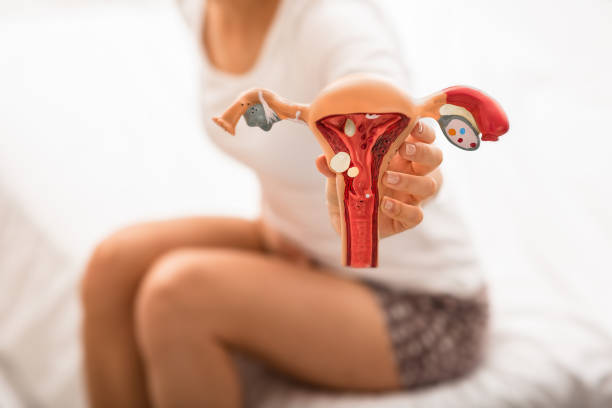
unrecognizing woman with abdominal pain holds the anatomical model of uterus and ovaries with pathology. diseases uterus and ovaries, endometriosis, ovarian cysts unrecognizing woman with abdominal pain holds the anatomical model of uterus and ovaries with pathology. diseases uterus and ovaries, endometriosis, ovarian cysts Endometriosis stock pictures, royalty-free photos & images

Combining Treatments for Better Management of Endometriosis Symptoms

Since each individual’s experience with endometriosis varies, combining treatments can often provide more effective relief and improve overall quality of life. By integrating medical interventions with lifestyle changes, alternative therapies, and emotional support, many women find greater success in managing this complex condition.

Medical Treatments for Symptom Control

Medical approaches are often the cornerstone of endometriosis management. These treatments primarily aim to reduce pain and slow the progression of tissue growth.

  • Birth control pills (combined pills or progestin-only options)
  • GnRH agonists and antagonists (e. g.
  • Progestin-based intrauterine devices (IUDs), such as Mirena
  • Nonsteroidal anti-inflammatory drugs (NSAIDs) like ibuprofen or naproxen
  • Prescription medications for severe pain management

Surgical Options

In more severe cases, surgery may be recommended to remove endometrial adhesions or scar tissue.

  • Laparoscopic Surgery: Minimally invasive procedure to excise or cauterize lesions while preserving reproductive organs.

While surgery can provide significant relief, recurrence is possible, emphasizing the importance of combining surgical treatment with other therapies for long-term results.

The Role of Lifestyle Adjustments

Lifestyle changes can complement traditional medical interventions by addressing some contributing factors associated with endometriosis symptoms.

  1. Emphasize anti-inflammatory foods such as leafy greens, fatty fish (e. g. , salmon), nuts, and seeds.
  2. Limit processed foods, red meat, and dairy products that may exacerbate inflammation.
  3. Consider gluten-free or low-FODMAP diets if digestive issues are present.
  4. Engage in low-impact aerobic exercises like walking or swimming.
  5. Incorporate gentle stretching routines such as yoga to reduce pelvic tension.
  6. Practice mindfulness techniques including meditation or deep-breathing exercises.
  7. Explore acupuncture or massage therapy to alleviate stress-induced muscle tension.

Complementary Therapies

Integrative approaches provide additional tools for managing persistent symptoms.

  • Heat Therapy: Application of heating pads or warm baths improves blood flow and relieves muscle cramps.
  • Herbal Supplements: | Herb Name | Potential Benefits | |——————|———————————–| | Turmeric | Anti-inflammatory properties | | Ginger | Pain reduction | | Evening Primrose | Hormonal balance support |

Always consult a healthcare professional before starting any supplements to avoid potential interactions with medications.

Psychological Support

Living with endometriosis can take an emotional toll. Seeking psychological support is vital in addressing anxiety, depression, or isolation that may arise due to chronic pain and health challenges.

  • Join local or online support groups to share experiences with others who understand.
  • Work with a therapist specializing in chronic illness for strategies on coping mechanisms.

Combining Therapies for Optimal Results

No single treatment works universally for everyone diagnosed with endometriosis. Instead, combining multiple modalities—medical options alongside holistic practices—creates a tailored strategy that aligns best with individual needs. Staying proactive through regular follow-ups and monitoring symptom patterns allows patients and healthcare providers to refine the approach over time for better outcomes.

Top Tips for Using Castor Oil Packs as a Supportive Therapy for Endometriosis

Castor oil packs have gained popularity as a natural and supportive therapy for managing endometriosis symptoms. While they do not cure the condition, they may help alleviate discomfort, improve circulation, and support the body’s natural detoxification processes. Below are insights and tips on how to effectively use castor oil packs to manage endometriosis symptoms.

What Are Castor Oil Packs?

Castor oil packs involve applying castor oil to the skin, usually over the lower abdomen or pelvic region, and covering it with a cloth. Heat is then applied to enhance absorption and improve its therapeutic effects. Castor oil contains ricinoleic acid, which is believed to provide anti-inflammatory and pain-relieving benefits.

Benefits of Using Castor Oil Packs for Endometriosis

  • Reduced Pelvic Pain: The anti-inflammatory properties of castor oil may help reduce pain associated with inflammation in the pelvic area.
  • Improved Lymphatic Drainage: Castor oil packs can promote circulation and support lymphatic system function, aiding in the removal of toxins from tissues.
  • Relaxation of Muscles: The application of warmth encourages muscle relaxation, which can help ease cramping commonly experienced during flare-ups.
  • Support for Digestive Health: By applying the pack near the digestive tract, some women report improved digestion and reduced bloating—a symptom that often accompanies endometriosis.

How to Use Castor Oil Packs Step-by-Step

  1. Cold-pressed castor oil
  2. A clean piece of flannel or cotton cloth
  3. Plastic wrap or a large reusable plastic bag
  4. A heating pad or hot water bottle
  5. An old towel (to protect surfaces)
  6. Fold your cloth so it fits snugly over your lower abdomen.
  7. Saturate the cloth with castor oil until it is damp but not dripping.
  8. Place the dampened cloth directly on your skin over your lower abdominal area.
  9. Cover it with plastic wrap to prevent leakage.
  10. Place a heating pad or hot water bottle on top of the plastic wrap.
  11. Lie down in a comfortable position while leaving the pack in place for 30–60 minutes.
  12. Use this time for relaxation techniques such as deep breathing or meditation.
  13. Take off the pack and wipe away any excess oil using warm water or mild soap if needed.
  14. Store your fabric (if reusable) in a sealed container in between uses.
  15. For best results, use 2–3 times per week or as suggested by your healthcare provider.

Precautions When Using Castor Oil Packs

  • Avoid using during menstruation unless advised by a healthcare provider; heat may exacerbate bleeding in some cases.
  • Do not apply to broken skin or wounds.
  • Pregnant women should consult their doctor before using this method due to potential risks associated with abdominal stimulation.
  • Always test on a small patch of skin first to ensure there are no allergic reactions.

When Should You Seek Medical Advice?

Although castor oil packs can be helpful as part of an overall management plan for endometriosis symptoms, they should not replace conventional treatments prescribed by medical professionals. If you experience worsening symptoms such as severe pain, heavy menstrual bleeding, or signs of infection (e. g. , fever), seek medical guidance promptly.

By incorporating supportive therapies like castor oil packs alongside other treatments—such as diet modifications, heat therapy, or medications—you can take proactive steps toward better symptom management while improving overall well-being.


Tummy ache took me down Shot of a young woman experiencing stomach pain while lying on her bed at home Endometriosis stock pictures, royalty-free photos & images

Understanding the causes, symptoms, and methods for diagnosing endometriosis is essential for early intervention and effective management.

  • Retrograde Menstruation: Menstrual blood flows backward through the fallopian tubes into the pelvic cavity instead of leaving the body.
  • Genetic Factors: A family history of endometriosis increases the likelihood of developing the condition.
  • Surgical Scarring: Procedures such as cesarean sections or hysterectomies can lead to implantation of endometrial-like cells in other areas.

Symptoms can vary widely among individuals, ranging from mild discomfort to debilitating pain.

  1. Chronic pelvic pain that typically worsens during menstruation.
  2. Heavy or irregular menstrual bleeding (menorrhagia).
  3. Infertility or difficulty conceiving.

Additional symptoms may include fatigue, bloating, nausea, and lower back pain.

Symptom Prevalence in Patients with Endometriosis
Pelvic Pain High
Pain During Intercourse Moderate to High
Heavy Menstrual Bleeding Moderate
Infertility Variable

Diagnosis of Endometriosis

  1. A detailed history is collected regarding menstrual patterns, pain severity, and comorbid conditions.
  2. Ultrasound: Used to detect large cysts known as endometriomas but may not identify smaller lesions.
  3. MRI
  4. Tissue samples are taken during laparoscopy and analyzed under a microscope for definitive confirmation.

Key Points for Early Detection

  • Persistent pelvic pain that disrupts daily activities should prompt medical evaluation.
  • Awareness campaigns are critical for educating individuals about recognizing early signs.

By understanding these aspects—causes, symptoms, and diagnostic steps—both patients and healthcare providers can better address this complex condition while ensuring timely care tailored to individual needs.

How Washington Endometriosis Impacts Pregnancy and Fertility: What You Need to Know

Endometriosis is a complex condition that not only impacts quality of life but also has significant implications for fertility and pregnancy. For individuals trying to conceive, endometriosis can present unique challenges. Below, we explore how this condition affects reproductive health, potential complications during pregnancy, and available treatment options.

Understanding Endometriosis and Fertility Issues with an Endometriosis Expert Washington DC

  • Distorted Anatomy of the Reproductive Organs: Endometrial lesions can cause adhesions or scar tissue that distorts the fallopian tubes or prevents them from functioning effectively.
  • Inflammation and Immune Response: Chronic inflammation associated with endometriosis may alter the environment of the pelvis, affecting egg quality or sperm mobility.
  • Ovulation Problems: In some cases, endometriosis may lead to hormonal imbalances that disrupt ovulation.
  • Reduced Ovarian Reserve: Women with endometriomas (ovarian cysts related to endometriosis) may experience diminished ovarian reserve or reduced egg supply.

Exploring Pregnancy Outcomes at the Endometriosis Center Washington DC

  1. Increased Risk of Miscarriage: Some studies suggest a higher likelihood of first-trimester miscarriage among individuals with endometriosis.
  2. Preterm Birth: Women with severe forms of the disease may be at increased risk for delivering prematurely.
  3. Placenta previa (when the placenta covers part or all of the cervix).
  4. Placental abruption (premature separation of the placenta from the uterine wall).
  5. Cesarean Delivery: Due to complications such as scarring or adhesions in the pelvic region, cesarean sections may be more common.

Managing Fertility Challenges Associated With Endometriosis

Non-Surgical Options

  • Clomiphene citrate
  • Letrozole
  • Intrauterine Insemination (IUI): Particularly effective for mild cases when combined with ovulation-stimulating drugs.

Surgical Interventions

  • Laparoscopy: Removal of adhesions and lesions through minimally invasive surgery can improve chances of natural conception in some cases.

Assisted Reproductive Technologies

  • In vitro fertilization (IVF) is often recommended as it bypasses many barriers to fertilization caused by pelvic adhesions or tubal damage.
Treatment Option Best Suited For Success Rate*
Ovulation Induction Mild endometriosis ~15–20% per cycle
IUI Mild-to-moderate cases ~10–15% per cycle
IVF Severe cases or failed initial treatments ~30–50% per cycle

*Success rates vary depending on age, stage of disease, and other factors.

Tips for Enhancing Fertility Naturally

For individuals with mild endometriosis who wish to conceive naturally: – Maintain a balanced diet rich in anti-inflammatory foods like fruits, vegetables, whole grains, and omega-3 fatty acids. – Manage stress effectively through techniques like yoga or mindfulness meditation. – Avoid smoking and excessive alcohol consumption.

Early diagnosis and a tailored treatment plan are key to improving fertility outcomes for those affected by this condition. While challenges exist, advancements in reproductive medicine have made parenthood achievable for many individuals living with endometriosis.

Understanding How an Endometriosis Specialist Washington DC Can Help with Pregnancy and Fertility

For those trying to conceive, this condition can introduce challenges. Understanding how endometriosis impacts fertility and pregnancy is crucial for effective management and planning.

Effects of Endometriosis on Fertility

Endometriosis is commonly associated with infertility, although not all individuals with endometriosis face difficulties conceiving.

  • Anatomical changes:The growth of endometrial-like tissue can cause scarring, adhesions, or distortion of reproductive anatomy, such as fallopian tubes or ovaries, which may hinder conception.
  • Impaired egg quality:Inflammation caused by endometriotic lesions may affect the quality of eggs produced by the ovaries.
  • Ovulation issues:The presence of ovarian cysts (endometriomas) due to endometriosis might disrupt normal ovulatory function.
  • Altered implantation environment:The inflammatory environment in the pelvis could reduce the chances of successful implantation of an embryo in the uterus.
  • Hormonal imbalances:Endometriosis can sometimes lead to irregular hormonal cycles that complicate conception efforts.

Risk Factors for Infertility

Factor Impact on Fertility
Advanced-stage endometriosis Severe scarring and adhesions limit reproductive function.
Presence of ovarian cysts Reduces available healthy ovarian tissue for ovulation.
Long-standing untreated cases Prolonged inflammation damages reproductive structures.

Pregnancy Outcomes in People with Endometriosis

  • Increased risk of preterm birthdue to inflammation or complications associated with pelvic adhesions.
  • Higher likelihood of cesarean deliverybecause scarring or adhesions might complicate vaginal delivery in some cases.
  • Placental complications, such as placenta previa or placental abruption, may occur more frequently in those with moderate-to-severe endometriosis.

Steps for Managing Fertility Concerns with Endometriosis

  1. Consult a fertility specialist early if conception is difficult after six months (for individuals over 35) or one year (for individuals under 35).
  2. Explore treatment options such as laparoscopic surgery to remove scar tissue or cysts if structural issues are identified.
  3. Consider advanced fertility treatments like intrauterine insemination (IUI) or in vitro fertilization (IVF) if natural conception proves challenging.
  4. Address inflammation through medication or lifestyle approaches under medical guidance.
  5. Monitor closely during pregnancy for potential complications specific to your medical history.

Summary Table: Key Points About Fertility and Pregnancy

Aspect Considerations Management Strategies
Fertility challenges Scarring, egg quality issues Laparoscopy, IVF
Early consultation Critical if struggling with conception Referral to a specialist
Pregnancy risks Preterm birth, placental conditions Regular prenatal monitoring

Understanding how endometriosis affects both fertility and pregnancy empowers individuals to take informed decisions regarding their care while collaborating effectively with healthcare providers for tailored interventions.

Understanding their differences is essential for proper diagnosis, treatment, and management. Below, we explore what adenomyosis is, how it differs from endometriosis, and the implications of these differences.

While the exact cause of adenomyosis remains unclear, hormonal factors and uterine injury due to childbirth or surgery may contribute to its development.

  • Affects the uterine muscle (myometrium)
  • Results in a uniformly enlarged uterus
  • Commonly diagnosed in women aged 35–50
  • Symptoms often improve after menopause

Unlike adenomyosis, these growths are located entirely outside the uterine muscle.

  • Does not lead to an enlarged uterus
  • Commonly affects women in their reproductive years
  • Symptoms persist even after menopause unless treated hormonally or surgically

While there are overlaps between adenomyosis and endometriosis regarding symptoms like pain and abnormal bleeding, they differ significantly in their pathophysiology.

Feature Adenomyosis Endometriosis
Location of Tissue Growth Within uterine muscle (myometrium) Outside of uterus
Uterus Appearance Enlarged; “bulky” Typically normal
Age Group More common in women aged 35–50 More common in women aged 20–40
Pain During Intercourse Rare Common
Infertility Association Less common Strong association

Overlapping Symptoms

Both conditions can present with overlapping symptoms that complicate diagnosis.

  • Chronic pelvic pain
  • Heavy menstrual bleeding (menorrhagia)
  • Painful periods (dysmenorrhea)
  • Fatigue during menstrual cycles

Due to these similarities, further diagnostic investigations are necessary to differentiate between them.

Diagnostic Tools

  1. Adenomyosis:Detected through transvaginal ultrasound or MRI scans showing thickened uterine walls.
  2. Endometriosis:May require laparoscopy for confirmation since imaging tests have limited accuracy.
  3. Biopsy samples may confirm adenomyotic changes within uterine muscles.
  4. A detailed assessment helps identify nuances between both disorders.

Treatment Approaches

For Adenomyosis: – Medications such as hormonal therapies (oral contraceptives or GnRH analogs) – Uterine artery embolization or surgical removal of affected areas – Hysterectomy as definitive treatment for severe cases

For Endometriosis: – Hormonal treatments like progestins or oral contraceptives – Laparoscopic excision surgery for removing lesions – Fertility treatments if necessary

Understanding these distinctions equips patients with knowledge to seek appropriate care while helping healthcare providers tailor individualized treatment plans effectively.

Checkup uterus, female reproductive system, women's health, PCOS, ovary gynecologic and cervical cancer, Healthy feminine concept Checkup uterus, female reproductive system, women's health, PCOS, ovary gynecologic and cervical cancer, Healthy feminine concept Endometriosis stock pictures, royalty-free photos & images

Endometriosis Surgery Washington DC: Diagnosis, Procedures, and Imaging Steps

Endometriosis is a complex condition that often requires a thorough and systematic approach for diagnosis. While symptoms like chronic pelvic pain and menstrual irregularities may raise suspicion, these alone are insufficient for a definitive diagnosis. Below is an in-depth look at the key imaging tests, procedures, and steps involved in diagnosing endometriosis.

1. Medical History and Physical Examination

A detailed medical history and physical examination are the initial steps in diagnosing endometriosis.

  • Medical History: The clinician will inquire about:
  • Menstrual cycle patterns (e. g. , severe cramping or heavy periods).
  • Presence of chronic pain, especially during menstruation or intercourse.
  • Family history of endometriosis.
  • Digestive or urinary symptoms.
  • A pelvic exam may be conducted to check for areas of tenderness or masses behind the uterus or on the ovaries.

This step provides critical information but cannot confirm endometriosis definitively.

2. Imaging Tests

Non-invasive imaging methods can help detect abnormalities associated with endometriosis but are not always conclusive.

Ultrasound

  • Transvaginal Ultrasound: This test uses sound waves to produce images of reproductive organs. It is effective in identifying ovarian cysts (endometriomas) linked to endometriosis.
  • Abdominal Ultrasound: May be used if transvaginal ultrasound is not feasible.

MRI (Magnetic Resonance Imaging)

  • Useful for pre-surgical planning to assess the extent of disease involvement.
Imaging Test Advantages Limitations
Transvaginal Ultrasound Widely available; non-invasive; affordable May miss smaller lesions
MRI More detailed; identifies deep lesions Expensive; lacks widespread use

While these tools aid visualization, imaging alone cannot confirm the presence of all types of endometrial lesions.

3. Diagnostic Laparoscopy

This minimally invasive surgical procedure allows direct visualization and biopsy of suspected lesions.

Steps Involved in Laparoscopy:

  1. A small incision is made near the navel.
  2. A thin tube with a camera (laparoscope) is inserted into the abdomen.
  3. Endometrial implants
  4. Adhesions
  5. Ovarian cysts
  6. Biopsy samples may be taken for histological confirmation.

Advantages: – Provides visual confirmation of endometrial lesions. – Enables simultaneous treatment, such as lesion excision or ablation.

Limitations: – Requires general anesthesia. – Invasive compared to other diagnostic methods.

4. Histopathological Analysis

A tissue biopsy obtained during laparoscopy is sent to a laboratory for histological evaluation under a microscope. This step ensures an accurate diagnosis by confirming that sampled tissue contains ectopic endometrial cells.

5. Other Relevant Tools

In select cases, additional tests may assist with diagnosis: – Hormonal blood tests: To rule out other causes like polycystic ovary syndrome (PCOS). – CA-125 blood test: Elevated levels may indicate advanced disease but are not specific to endometriosis.

Final Thoughts on Diagnosis Pathways

Accurate diagnosis requires a combination of clinical evaluation, imaging tools, and surgical procedures like laparoscopy when necessary.

Myths and Misconceptions About Endometriosis Debunked

Endometriosis is a complex condition surrounded by many myths and misconceptions, which can lead to confusion, stigma, and delayed diagnosis for those affected. Dispelling these falsehoods is essential to promoting awareness and encouraging timely medical intervention. Below are some of the most common myths about endometriosis and the truths behind them.

Truth:While painful periods (dysmenorrhea) are a hallmark symptom of endometriosis, the condition is far more than just “bad cramps. These growths can cause chronic pain, inflammation, scar tissue formation, and even infertility.

Key differences include:
– Pain that may occur outside of menstruation (e. g. , during bowel movements or urination).

– Symptoms persisting despite over-the-counter pain relief methods.

Myth 2: Pregnancy Cures Endometriosis

Truth:While some individuals may experience temporary symptom relief during pregnancy due to hormonal changes (e. g. , increased progesterone levels), pregnancy does not cure endometriosis. The symptoms often return after childbirth or breastfeeding when menstrual cycles resume.

Why this myth persists:
– Hormonal changes during pregnancy can suppress ovulation and menstruation temporarily. – People mistakenly equate this suppression with a “cure.

Myth 3: Endometriosis Only Affects Older or Childless Women

Truth:Endometriosis can affect anyone with a menstrual cycle, including teenagers and young adults. Early symptoms often begin during adolescence but may go unnoticed or be misdiagnosed as normal period pain.

  • Women who have children can still develop endometriosis.
  • Symptoms often persist well into menopause for some individuals if untreated.

Truth:A hysterectomy (surgical removal of the uterus) is not a guaranteed cure for endometriosis since it does not address endometrial-like tissue growing outside of the uterus. Effective management often requires excision surgery to remove visible lesions from affected areas like ovaries or the abdominal cavity.

Alternative treatments include:
– Hormonal therapies (e. g. , oral contraceptives, GnRH agonists).
– Pain management strategies. – Lifestyle modifications such as dietary changes or stress reduction.

Treatment Method Goal/Objective Limitations
Excision Surgery Remove active lesions Requires skilled surgeon
Hormone Therapy Suppress ovulation & reduce inflammation May cause side effects
Lifestyle Adjustments Alleviate triggers like stress/dietary factors Doesn’t address root causes directly

Myth 5: If You Don’t Have Severe Pain, You Don’t Have Endometriosis

Truth:Pain levels do not correlate with disease severity in endometriosis. Some individuals with widespread adhesions may experience little to no symptoms, while others with minimal visible disease might have debilitating discomfort. This variability underscores why diagnosis cannot rely solely on reported pain levels.

Common presentations beyond physical pain include: – Fatigue – Digestive issues such as bloating or diarrhea – Infertility challenges

By debunking these misconceptions around endometriosis, we foster better understanding and empathy for those living with this condition while paving the way for improved education about its impact on health and quality of life.


Gynecologist talks to a patient with a model of the female reproductive system in her hands.Women's health, pregnancy planning,pathology of internal organs,medical concept Gynecologist talks to a patient with a model of the female reproductive system in her hands.Women's health, pregnancy planning,pathology of internal organs,medical concept. Endometriosis stock pictures, royalty-free photos & images

Endometriosis is a chronic condition where tissue similar to the uterine lining grows outside the uterus, leading to pain, inflammation, and other health complications. For individuals who do not respond adequately to medication or other treatments, surgical intervention often becomes necessary. The two primary surgical options are excision and ablation. While both approaches aim to alleviate symptoms and improve quality of life, they differ significantly in technique, effectiveness, and long-term outcomes.

What Is Excision Surgery?

Excision surgery involves the careful removal of endometriosis lesions from affected areas using precise cutting techniques. This method is widely considered the “gold standard” for endometriosis surgery due to its ability to thoroughly address both superficial and deep lesions.

  • Comprehensive removal of diseased tissue.
  • Effective for both mild and severe cases of endometriosis.
  • Reduced likelihood of lesion recurrence compared to ablation.
  • Improves fertility outcomes for individuals trying to conceive.
  • Requires a highly skilled surgeon with expertise in excision techniques.
  • May involve longer surgical times compared to ablation.
  • Recovery time can vary depending on the extent of surgery.

What Is Ablation Surgery?

Ablation surgery uses energy sources such as laser or heat to burn or vaporize visible endometriosis lesions. This method is less technically demanding than excision and is frequently performed as an initial treatment option.

  • Shorter operative time compared to excision.
  • May be sufficient for treating superficial lesions.
  • More widely available in general gynecological practices.
  • Often leaves underlying diseased tissue intact, increasing the risk of recurrence.
  • Less effective for deep infiltrating endometriosis (DIE).
  • May not adequately address pain caused by residual microscopic lesions.

Comparing Excision vs. Ablation: Outcomes at a Glance

Category Excision Ablation
Technique Removes entire lesion Burns surface only
Effectiveness for Severe Cases High Low
Recurrence Risk Lower Higher
Fertility Outcomes Better Limited
Surgeon Skill Requirement High Moderate

Choosing the Right Option

  1. Severity and Extent of Disease: Advanced cases with deep infiltrating endometriosis are better treated with excision.
  2. Fertility Goals: Individuals seeking improved fertility outcomes may benefit more from excision surgery.
  3. Availability of Skilled Surgeons: Accessing an experienced excision specialist can be challenging in some regions but may provide better long-term results.
  4. Treatment History: For those who have undergone prior surgeries without symptom relief, excision might offer a more definitive solution.

Final Considerations

Understanding the differences between excision and ablation is crucial when navigating surgical options for endometriosis treatment. Patients are encouraged to seek consultations with experienced specialists who can tailor treatment approaches based on their unique needs and goals. Discussing concerns openly with your physician can help ensure you make informed decisions about your care pathway.

Understanding Endometriosis Surgery: Finding the Right Endometriosis Doctor Washington DC

For individuals living with endometriosis, surgery often becomes a vital part of treatment when other approaches like medication or lifestyle changes fail to provide adequate relief. Among the surgical options available, two main techniques are commonly used: excision and ablation. Understanding the differences between these methods is essential to making informed decisions about care.

What is Excision Surgery?

Excision surgery involves the precise removal of endometriosis lesions from affected tissues. Unlike other methods, excision cuts out the lesions entirely, ensuring that both visible and deeper-rooted areas of disease are addressed.

Key Features of Excision Surgery:Thorough Lesion Removal: This technique targets endometrial-like tissue at its root, even in hard-to-reach areas such as on nerves or deep pelvic structures. – Reduced Risk of Recurrence: Since lesions are completely removed rather than superficially treated, recurrence rates tend to be lower compared to ablation. – Diagnostic and Therapeutic Benefits: Excision can confirm the presence of endometriosis via pathology testing while simultaneously treating it.

Despite its effectiveness, excision surgery requires advanced surgical skills and experience. It is typically performed by highly specialized surgeons who focus on endometriosis cases.

What is Ablation Surgery?

Ablation surgery works by destroying the surface layer of endometrial-like tissue using energy sources such as heat or lasers. While it may provide temporary symptom relief for some patients, it does not remove deep or infiltrative disease.

Key Features of Ablation Surgery:Destruction Over Removal: Instead of cutting out lesions, ablation burns or vaporizes the surface tissue. – Shorter Procedure Time: Ablation surgeries are generally quicker to perform than excision surgeries. – Higher Recurrence Rates: Since deeper disease remains untreated, symptoms often return more quickly following this approach.

Ablation may be considered for mild cases or where resources for excision surgery are limited; however, experts increasingly advocate for excision as a gold standard for long-term management.

Comparing Excision and Ablation

Feature Excision Ablation
Approach Removes entire lesion Destroys lesion surface
Effectiveness High (addresses deep tissue involvement) Moderate (limited to superficial tissue)
Recurrence Rate Lower Higher
Skill Required Advanced training necessary General gynecological training suffices

Why Does the Choice Matter?

Choosing between excision and ablation has significant implications for symptom relief, quality of life, and long-term outcomes. Research suggests that patients who undergo excision report greater pain reduction and improved fertility outcomes compared to those treated with ablation. Moreover, mismanagement due to improper technique can lead to frustration, repeated surgeries, and prolonged suffering.

Advocacy for Accessing Proper Care

Accessing skilled surgeons trained in advanced excision techniques remains a challenge in many regions due to factors like limited specialist availability or lack of insurance coverage. Patients should feel empowered to: – Ask their doctor about their surgical experience with endometriosis cases. – Seek second opinions if recommended approaches seem insufficient. – Utilize patient advocacy groups that offer resources for finding qualified specialists.

By understanding these critical differences between excision and ablation surgery options, patients can make informed decisions that support optimal management of their condition.

Understanding Endometriosis Surgery: Insights from an Endometriosis Expert Washington DC

Surgical intervention is often a critical step in managing endometriosis, especially for individuals who experience significant symptoms or complications. Two primary surgical techniques are utilized to address endometriosis: excision and ablation. Understanding the differences between these procedures and their long-term impacts is essential when considering treatment options.

What Is Excision Surgery?

Excision surgery involves the complete removal of endometriotic lesions from affected tissues. Surgeons carefully cut out the lesions while preserving surrounding healthy tissue, making it a more precise approach. This technique is often considered the “gold standard” for surgical treatment due to its effectiveness in addressing both visible and microscopic endometriotic growths.

Key Features of Excision Surgery:Thorough Removal: Removes deep and superficial lesions, reducing the risk of recurrence. – Preserves Healthy Tissue: Minimizes damage to nearby organs by removing only diseased tissue. – Improved Symptom Management: Studies suggest excision provides better long-term relief from pain compared to ablation.

Advantages Considerations
Long-term symptom relief Requires highly skilled surgeons
Reduces recurrence rates May take longer than ablation procedures
Can address severe cases More expensive in some healthcare systems

What Is Ablation Surgery?

Ablation surgery uses techniques such as heat, laser, or electrical energy to destroy (rather than remove) endometriotic lesions. While less invasive than excision surgery, ablation may leave behind deeper portions of lesions, which can continue to cause symptoms.

Key Features of Ablation Surgery:Surface-Level Treatment: Only addresses visible areas on the surface of tissues. – Shorter Procedure Time: Typically quicker than excision. – Variable Results: Less effective for severe or deeply infiltrating endometriosis.

Advantages Considerations
Quicker recovery time Higher risk of lesion recurrence
Often more affordable May not address deeply infiltrative disease
Widely available Less effective for long-term pain relief

Why Choice Matters

Choosing between excision and ablation is not merely about preference; it depends on several factors such as symptom severity, lesion location and depth, personal health goals, and the availability of skilled surgeons.

Factors influencing surgical choice include: 1. Disease Severity: Deeply infiltrative or widespread endometriosis may require excision for effective treatment. 2. Symptom Burden: Chronic pelvic pain or infertility often responds better to excision. 3. Surgeon Expertise: Not all surgeons are trained in advanced excision techniques. 4. Healthcare Access: Limited access to specialists can make excision less feasible in some regions.

Potential Barriers to Effective Treatment

Accessing high-quality surgical care for endometriosis can present challenges: – Lack of trained specialists proficient in advanced excision techniques. – Financial barriers due to higher costs associated with specialized care. – Delays in diagnosis leading to worsened disease requiring complex interventions.

Addressing these barriers requires systemic changes in healthcare access, education about endometriosis among providers, and advocacy for patients seeking effective treatments.

Ultimately, understanding your options for surgery—and working with a knowledgeable medical team—is critical for managing symptoms effectively and improving quality of life over time.

Understanding Endometriosis: Insights from a Leading Endometriosis Center Washington DC

Preparing for a doctor’s appointment when dealing with endometriosis can feel overwhelming. However, being well-informed and organized can help you make the most out of your visit. Here’s a comprehensive guide on what to know and how to prepare before meeting with your healthcare provider.

Understanding Your Symptoms

  • Pain: Note where, when, and how often you experience pain (e.g., pelvic pain, back pain, pain during menstruation or intercourse).
  • Menstrual Cycle: Keep a record of your cycle length, flow intensity, and any irregularities.
  • Digestive Issues: Track symptoms such as bloating, constipation, diarrhea, or nausea that might correlate with your cycle.
  • Energy Levels: Note periods of fatigue or difficulty functioning normally throughout the day.

You can use a symptom tracker app or maintain a physical journal for this purpose. This information will help your doctor pinpoint potential patterns and provide better recommendations.

Questions to Ask Your Doctor

  1. What diagnostic tests are available? Will I need imaging like an ultrasound or MRI?
  2. Are there non-surgical ways to manage my symptoms?
  3. What surgical options exist if I need intervention (e.g., excision vs. ablation)?
  4. What lifestyle changes may improve my symptoms?
  5. How do comorbid conditions like IBS (Irritable Bowel Syndrome) affect endometriosis management?
  6. Should I consider consulting with specialists such as pelvic floor therapists or dietitians?

Bringing Relevant Medical Records

  • Past imaging results (e.g., ultrasounds or MRIs)
  • Copies of surgical reports if you’ve undergone laparoscopy before
  • A list of previous medications tried for symptom management
  • Any documentation regarding hormone therapy outcomes

Having these records readily available can save time during the consultation process.

Advocating for Yourself During the Appointment

Unfortunately, many people face delays in receiving an accurate diagnosis due to misconceptions about endometriosis being “just bad periods.” If you feel dismissed by your doctor—or if they don’t seem familiar with updated treatment protocols—it’s important to advocate for yourself respectfully but firmly.

Key tips include:
Communicating Clearly: Use specific examples from your symptom tracker instead of general statements like “I’m always in pain.”
Setting Boundaries: If suggested treatments haven’t worked for you before (e.g., hormonal contraceptives), express this directly so alternative solutions can be explored. – Asking About Referrals: Don’t hesitate to request referral options if specialized care is needed.

Post-Appointment Action Plan

After meeting with your doctor: 1. Follow up promptly on recommended tests or referrals. 2. Review notes from the discussion so nothing is overlooked. 3. Seek support from local or online communities where others share their experiences navigating life with endometriosis.

By approaching appointments with preparation and confidence, patients living with endometriosis will be better equipped to navigate their health journey effectively while feeling empowered about their care decisions moving forward.

Young Asian woman having stomachache while lying down on sofa at home. Young Asian woman lying down on sofa while experiencing stomach pain. Endometriosis stock pictures, royalty-free photos & images

Understanding Washington Endometriosis: Symptoms, Impact, and What It Means for Your Body

Endometriosis is a chronic condition that occurs when the tissue similar to the lining of the uterus (endometrium) grows outside the uterus. This misplaced tissue can affect various areas of the body, causing both physical and emotional challenges. Understanding its symptoms and overall impact is essential for individuals navigating this condition.

Common Symptoms of Endometriosis

  • Pelvic pain: Persistent or cyclical pain, often worse during menstruation.
  • Painful periods (dysmenorrhea): Severe cramps that may begin before menstruation and extend beyond it.
  • Pain during intercourse (dyspareunia): Discomfort or pain experienced during or after sexual activity.
  • Chronic fatigue: Constant tiredness due to inflammation, hormonal changes, or disrupted sleep patterns associated with the condition.
  • Infertility: Difficulty conceiving is a significant concern for many with endometriosis, as it may affect reproductive organs.
  • Gastrointestinal issues: Bloating, nausea, diarrhea, or constipation are common when endometrial-like tissue affects the bowel.

It’s important to note that while some individuals experience severe symptoms, others may have minimal signs of the disease despite extensive tissue growth.

How Endometriosis Impacts Your Body

System Affected Potential Impact
Reproductive System Scarring and adhesions on ovaries, fallopian tubes, and uterus may cause infertility.
Digestive System Endometrial implants on bowels can result in pain during bowel movements and digestive distress.
Musculoskeletal System Chronic pelvic floor dysfunction due to prolonged tension in response to persistent pain.
Immune System Increased inflammatory responses may exacerbate symptoms like fatigue and discomfort.

This systemic impact underscores why timely diagnosis and management are critical.

Emotional Toll of Endometriosis

  • Anxiety about symptom unpredictability.
  • Depression stemming from chronic discomfort or struggles with fertility.
  • Social withdrawal due to difficulty participating in daily activities.

Developing a strong support system is crucial for managing these emotional burdens.

Managing Symptoms Holistically

  1. Medical Treatments: Hormonal therapy (e.g., birth control pills) or surgery (e.g., excision).
  2. Lifestyle Adjustments: Anti-inflammatory diets rich in whole foods and omega-3 fatty acids may help reduce inflammation.
  3. Support Networks: Joining patient advocacy groups can provide guidance during challenging times.

Understanding how endometriosis affects your body equips you with tools to advocate for better care and improve quality of life despite this complex condition’s challenges.

Resources and Support for Navigating Life with Endometriosis

Living with endometriosis can be a challenging experience that impacts both physical and emotional well-being. However, access to the right resources and support can make a significant difference in managing the condition effectively. Below is a guide to navigating available tools, support systems, and educational resources for those living with endometriosis.

Online Communities and Support Groups

  • Endometriosis Foundation of America (EndoFound): Offers educational content, patient stories, and advocacy programs.
  • Endo Support Groups on Social Media Platforms: Facebook groups such as “Nancy’s Nook” provide evidence-based information about treatment options like excision surgery.
  • Reddit Forums: Subreddits like “r/Endometriosis” allow users to discuss symptoms, treatments, or daily life challenges anonymously.

Many of these communities also host live events or webinars that promote awareness and understanding.

Specialized Medical Resources

Resource Description
Nancy’s Nook Educational Group A curated list of excision surgeons worldwide who specialize in treating endometriosis.
Center for Endometriosis Care (CEC) Offers comprehensive treatment plans focused on excision surgery by skilled practitioners.
iCareBetter Connects patients with vetted specialists using advanced medical criteria for surgeon quality.

These organizations also provide educational materials to help patients better understand their condition.

Mental Health Support

  • Therapists Specializing in Chronic Illness Care: Look for professionals experienced in supporting individuals managing pain or medical trauma.
  • Mindfulness Apps: Tools such as Calm or Headspace offer guided meditations tailored toward pain relief and stress reduction.
  • Pain Management Programs: Cognitive Behavioral Therapy (CBT) techniques are often employed to improve resilience when dealing with chronic symptoms.

Seeking peer mentorship or professional counseling can help reduce feelings of isolation.

Educational Tools About Endometriosis

  1. The Doctor Will See You Now by Tamer Seckin, MD – A detailed breakdown of endometriosis treatment options from a renowned specialist.
  2. Endo What? by Melissa Turner – Features practical advice on managing daily life with endometriosis.
  3. Mayo Clinic’s Endometriosis Section: Provides medically reviewed articles describing symptoms, diagnostics, and treatments.
  4. EndoWhat.org: Focuses on raising awareness through patient-friendly content.
  5. This EndoLife: Hosted by Jessica Duffin; covers lifestyle management tips based on evidence-based practices.
  6. The Cycle Podcast: Shares personal stories from people living with endometriosis globally.

Advocacy Organizations

  • The Endometriosis Association
  • Worldwide EndoMarch
  • The Pelvic Pain Society

These groups support fundraising efforts for research initiatives while promoting public education campaigns aimed at early diagnosis.

Accessing these resources can significantly improve the quality of life for individuals facing endometriosis by offering knowledge, community connections, and paths toward specialized care tailored to their unique needs.

Finding the Right Endometriosis Specialist in Washington DC for Birth Control and Symptom Management

Managing endometriosis symptoms often requires a multifaceted approach, and hormonal birth control is one of the most commonly used strategies. By regulating hormones, birth control can alleviate many of the debilitating symptoms associated with endometriosis, such as pain and heavy menstrual bleeding. Below, we provide an in-depth guide to the various birth control options available for managing endometriosis symptoms.

Hormonal Birth Control Methods

1. Combination Oral Contraceptive Pills (COCs)

  • How they work: These pills contain both estrogen and progestin, which reduce the growth of endometrial tissue by suppressing ovulation.
  • Benefits:
    • Reduces pelvic pain associated with periods.
    • Decreases heavy menstrual bleeding.
    • May help regulate irregular cycles.
  • Potential Side Effects: Nausea, headaches, mood changes, and an increased risk of blood clots for some individuals.

2. Progestin-Only Pills (POPs)

  • How they work: These pills rely solely on progestin to thin the uterine lining and slow tissue growth outside the uterus.
  • Benefits: Suitable for those who cannot take estrogen-containing contraceptives due to medical conditions or side effects.
  • Potential Side Effects: Spotting between periods or irregular bleeding patterns.

3. Intrauterine Devices (IUDs) with Progestin

  • Examples: Mirena, Kyleena.
  • How they work: These devices release a small amount of progestin locally into the uterus over several years, reducing inflammation and minimizing period flow.
  • Benefits:
    • Long-term symptom relief (effective for up to 5-7 years).
    • Decreases frequency of menstruation or stops it altogether in some cases.
    • Minimal systemic hormone exposure compared to other methods.
  • Drawbacks: Some individuals experience spotting or cramping after insertion.

4. The Birth Control Shot (Depo-Provera)

  • How it works: This injection delivers a high dose of progestin every three months to suppress ovulation and decrease endometrial tissue growth.
  • Pros:
    • Effective in reducing severe pain related to endometriosis.
    • Convenient dosing schedule every three months.
  • Cons:
    • May cause weight gain or bone density loss with prolonged use.

5. Birth Control Implants (Nexplanon)

  • A small rod implanted under the skin that releases progestin over three years.
  • Highly effective at managing pain and irregular bleeding caused by endometriosis.

Non-Hormonal Considerations

While hormonal methods are effective at managing symptoms for many individuals with endometriosis, they may not be suitable for everyone due to medical contraindications or personal preferences. Non-hormonal options like barrier methods do not address underlying symptoms but can complement other treatment plans.

Comparing Birth Control Options

Method Duration Hormones Included Typical Benefits Common Side Effects
Combination Oral Contraceptive Pills Daily Estrogen + Progestin Pain reduction; cycle regulation Headaches; nausea; clot risks
Progestin-Only Pill Daily Progestin Lightened periods Irregular spotting
IUD with Progestin 5-7 Years Progestin Long-lasting relief; low maintenance Cramping after insertion
Depo-Provera Shot Every 3 Months Progestin Reduces severe pelvic pain Weight gain; bone density loss
Nexplanon Implant Up to 3 Years Progestin Low-maintenance option Irregular bleeding

Key Considerations When Choosing Birth Control

When selecting a birth control method for managing your endometriosis symptoms, consider discussing these factors with your healthcare provider: – The severity and type of your symptoms (e.g., chronic pain vs. heavy bleeding).
– Current health conditions that could affect hormone use (e.g., history of blood clots). – Lifestyle preferences—whether you prefer daily pills or long-term options like IUDs/implants.

By understanding how each method works and its benefits/limitations, you can make informed decisions about your care plan tailored specifically to your individual needs.